


These changes are not simply about adding technology to familiar routines. At their best, they give people clearer information, more convenient access to professional advice, and a better understanding of what works for them. Yet the most useful innovations are those that solve real problems rather than generate impressive-looking numbers.
From skincare recommendations to remote consultations and emerging wellness equipment, personal care is developing into a mixture of digital assistance and human expertise. Understanding where each innovation fits can help you make more informed choices without turning self-care into another complicated task.
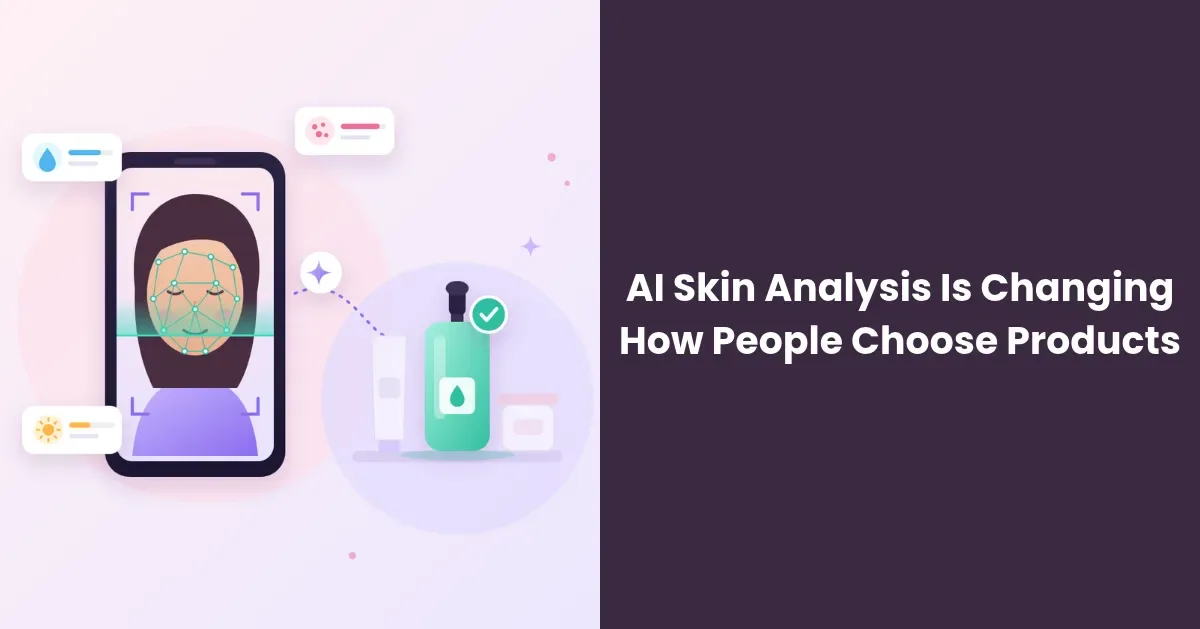
AI Skin Analysis Is Changing How People Choose Products
Skincare shopping has traditionally involved reading labels, asking for recommendations, and experimenting until a routine feels right. AI-assisted tools add another starting point by examining photographs or answers to questions about skin type, texture, and personal concerns.
Some applications identify visible features such as uneven tone or dryness, then suggest product categories. Others let users record changes over time, creating a visual diary that can make conversations with skincare professionals more specific. Lighting, camera quality, and image filters can influence their assessments, so the results work best as guidance rather than diagnosis.
This approach is especially interesting for choosing targeted treatments. Someone comparing an exfoliator can explore the AHA and BHA options offered by Paula's Choice, considering how different formulations fit their existing skincare routine and preferences. A thoughtfully chosen exfoliating product can become part of a straightforward plan focused on consistent application and noticeable skin-care goals.
Instead of introducing several products simultaneously, it helps to make one adjustment at a time and observe your skin's response. Keeping a short record of when you started a product, how often you applied it, and what you noticed can provide more useful information than relying on memory alone. A dermatologist remains the appropriate source for evaluating persistent rashes, changing lesions, or other medical concerns. The real value of digital skin analysis is making everyday product research more structured, not replacing clinical expertise.
Personal Wellness Equipment Is Becoming More Customisable
The shift towards personalisation also extends beyond apps and beauty products. Equipment once associated primarily with specialist facilities is now appearing in consumer-facing catalogues, inviting people to think more carefully about the design and logistics of wellness spaces.
Hyperbaric chambers are one example of this expanding product category. Anyone researching a soft shell hyperbaric chamber can explore different configurations from Oxify, including reclining and seated designs. Comparing dimensions, entry arrangements, intended settings, and operating specifications offers a practical way to understand the range of equipment available for a carefully planned wellness environment.
The growth of home-oriented equipment also raises questions about space, accessibility, and who will supervise its operation. A detailed purchasing checklist might include doorway clearance, ventilation, maintenance arrangements, and how users enter and exit the chamber. The terminology matters. Lower-pressure, soft-sided systems are not equivalent to medical-grade hyperbaric oxygen therapy, which uses specific pressures, oxygen delivery, and clinical protocols for recognised indications. A device's appearance or marketing category does not establish that it treats a medical condition.
For anyone considering pressure-based equipment, the sensible next step is a conversation with a qualified healthcare professional, alongside a review of applicable standards, training requirements, installation conditions, and manufacturer instructions. Technology becomes more useful when its purpose and limitations are understood before decisions are made.
Virtual Consultations Are Making Professional Advice More Accessible
Remote healthcare has changed the practical meaning of an appointment. For suitable concerns, patients can now speak with qualified professionals through secure video platforms without organising a long journey or spending much of the day in a waiting room.
A virtual consultation can be particularly convenient for discussing routine follow-ups, reviewing test results, managing an established care plan, or asking whether symptoms require an in-person examination. Many services also support appointment reminders, secure messaging, and access to visit summaries.
Remote appointments can also benefit people who find travel physically demanding or who live far from specialist services. Where appropriate, they may allow family members or carers to join discussions from another location. Preparation still makes a difference. Before an appointment, write down when symptoms began, which medicines or products you use, and what you most want to understand. Check your connection and find a private space where you can speak comfortably. If photographs or measurements might be relevant, ask the provider how to share them securely.
Telehealth does have boundaries. Physical examinations, diagnostic procedures, and urgent problems may require direct assessment. The goal is not to move every interaction onto a screen, but to match the method of care to the person's needs.
The strongest virtual services make it clear who is providing advice, how records are handled, and what happens if additional testing or an in-person visit becomes necessary.
Wearables Can Turn Everyday Habits Into Useful Patterns
Smartwatches, fitness trackers, and connected rings have made personal measurements part of daily life. Depending on the device, they can record activity, estimate sleep duration, display heart-rate trends, and prompt users to move after long periods of sitting.
Their most practical contribution often comes from showing patterns rather than isolated readings. A person might notice that late evening routines coincide with shorter sleep, or that regular walks are associated with more consistent activity levels. Such observations can guide simple experiments with bedtime, exercise, and daily scheduling.
An occasional screen-free day can be useful, too. Numbers should support healthy habits rather than dictate how someone feels about every morning or workout. It helps to focus on a handful of measurements that correspond to genuine goals. If improving sleep consistency matters, review bedtime and wake-up trends rather than every available score. If you're building a walking habit, compare weekly activity levels rather than judging yourself against a single slow day.
Consumer devices are not uniformly accurate, and many measurements are estimates. They also cannot independently determine the cause of a symptom. Unexpected or worrying readings deserve appropriate professional assessment, especially when accompanied by physical symptoms.
Used thoughtfully, tracking technology can support curiosity and motivation without demanding constant attention.
Privacy and Transparency Will Shape the Next Generation of Tools
As personal-care platforms collect photographs, questionnaires, activity records, and sometimes medical information, trust becomes an essential feature of good design. Users need more than an appealing interface; they need to understand what happens to their data.
Before creating an account, check whether a service stores uploaded images, shares information with advertisers, or uses records to train automated systems. Strong privacy practices also include collecting only the information needed for the service and allowing users to export records when they change providers. Look for plain explanations of retention periods, deletion options, and how to correct inaccurate information.
It is also worth asking how a recommendation is produced. Does an app explain which features influenced its suggestions? Can a person review a decision? Does the provider distinguish commercial recommendations from evidence-based advice? These questions help reveal whether personalisation is genuinely useful or simply a marketing label.
The same principle applies to human consultations delivered through digital platforms. Professional credentials, secure communication, and clear follow-up arrangements are part of the service, not optional extras.
Convenience and privacy should reinforce one another. People are more likely to benefit from connected care when they can make informed decisions about the information they share.
The Most Promising Future Combines Technology With Human Judgement
It is tempting to imagine a future in which a single application chooses every product, plans every appointment, and produces a perfect daily routine. In practice, personal care is too individual for one automated system to understand every preference, symptom, or change in circumstances.
The more realistic opportunity lies in combining strengths. Digital tools can organise information, flag patterns, and make scheduling easier. Clinicians and other qualified professionals can interpret context, discuss uncertainty, and help people weigh decisions against their priorities and medical history.
This combination could be especially helpful for people balancing work, family responsibilities, and ongoing healthcare needs. Rather than repeating the same background at every appointment, they may be able to share a concise record of relevant changes. Rather than browsing hundreds of products without direction, they can narrow the options and ask better questions.
Access must remain part of the conversation. Not everyone has reliable broadband, a recent smartphone, or confidence using digital services. Inclusive design means retaining straightforward alternatives, clear language, and human support for those who need it.
Ultimately, the future of personal care should not be measured by how many devices surround us. It should be measured by whether people feel better informed, more comfortable seeking help, and more capable of managing realistic daily routines. The best innovations will make care feel more personal precisely because they leave room for individual choice.