



Service-based businesses lose qualified inbound leads when prospective buyers encounter slow, manual quotation workflows. Expecting a buyer to fill out a static contact form and wait days for a custom estimate creates friction right at the moment of highest intent.
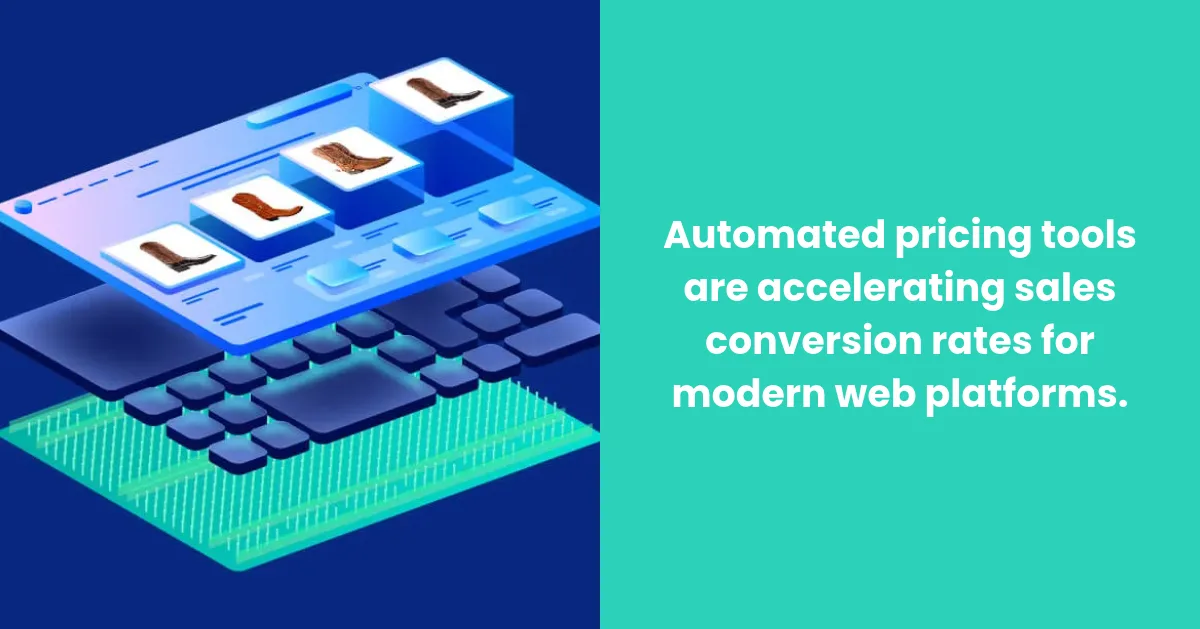
Modern web platforms solve the issue by offering transparent pricing upfront. Replacing delayed email quotes with real-time estimation tools transforms passive visitors into active sales prospects without exhausting your sales team.
Why Are Static Contact Forms Failing Modern Buyers?
Buyers browsing digital service platforms demand immediate information regarding project scope, estimated costs, and delivery timelines. Traditional contact forms force site visitors to submit personal contact details into a silent queue without receiving any immediate feedback regarding whether your services fit their financial constraints.
Data published by Quotiv indicates that prospect qualification odds drop by more than six times within the first hour of delay. When your internal pipeline relies on manual review processes before delivering a preliminary figure, competing platforms equipped with self-serve estimation engines gain an immediate conversion advantage.
Delivering real-time price feedback answers prospect questions during their initial discovery phase. Keeping prospective clients engaged on your site for longer durations allows your brand to guide them smoothly toward scheduling a project kickoff call.
Static forms fail to filter out prospects whose budgets fall well below your service thresholds. Manual quote reviews require your account managers to spend valuable hours calculating custom estimates for leads that never convert, creating administrative bottlenecks that slow down your entire sales pipeline.
How Do Interactive Funnels Engage Online Buyers?
Dynamic estimation funnels replace passive web forms by guiding prospective clients through targeted, step-by-step discovery questions. Interactive systems invite visitors to select custom service packages, adjust project scope sliders, and pick specialized add-on features instead of staring at blank text boxes.
Turning price discovery into an active exercise reduces buyer hesitation while gathering rich diagnostic data for your sales team. Prospective clients spend more time exploring options when they control the calculation process. Research from Wingify demonstrates that insurance provider Reassured achieved a 31.23% rise in form submissions after converting their static quotation forms into interactive tools.
How Does Automated Qualification Filter Inbound Leads?
Qualified buyers self-segment naturally during the calculation process when they define explicit technical requirements and budget parameters. Your business receives structured lead profiles that clearly outline what every prospective client needs, allowing your sales team to prioritize high-value opportunities over cold leads. Dynamic price estimation tools build instant commercial clarity across your service catalog.
Demonstrating how specific selections impact total project costs establishes credibility, helping prospective clients recognize the direct value behind your rates long before booking a discovery call. Clear financial breakdowns give prospective buyers confidence in your offerings while steering unqualified leads away from your sales calendar. Your account managers spend less time chasing poor-fit prospects and focus their energy entirely on closing ready-to-buy clients.
What Makes Dynamic Calculation Logic Critical for Modern CMS Ecosystems?
Integrating dynamic price calculation logic directly into your website content management system bridges the gap between digital marketing content and direct revenue creation. Modern digital platforms require real-time calculation engines that process complex pricing formulas based on dynamic inputs like user seats, customized service tiers, or recurring retainer options.
Building a self-serve quotation framework traditionally requires custom engineering work and extensive programming. Implementing flexible quote calculator software inside your publishing workflow enables non-technical marketers to adjust pricing rules without writing backend scripts. Placing dynamic tools directly onto landing pages allows your team to test variable pricing packages, track conversion spikes, and refine lead capture workflows. Web teams leverage intuitive design interfaces to build custom pricing modules that sync seamlessly with existing customer relationship platforms.
Eliminating constant reliance on software engineering sprints empowers your marketing and growth teams to execute rapid adjustments. Operational staff can design, launch, and refine self-serve quoting funnels across distinct service lines within hours instead of waiting weeks for backend updates.
Centralizing your pricing rules within dynamic software prevents pricing discrepancies across marketing channels. Updates made to base rates or seasonal discounts publish instantly across all web pages, maintaining total pricing accuracy across your digital footprint.
Simplifying Architecture with No-Code Builders
Web administration teams no longer need specialized software engineering projects to deliver dynamic financial estimates. Cloud-based calculation platforms supply intuitive visual builder tools that embed into major website content management systems, including Webflow, WordPress, and custom frontend stacks.
Custom formula builders allow your team to construct sophisticated pricing logic incorporating tiered rates, volume discounts, regional taxes, and recurring monthly subscriptions. Visual management interfaces allow non-technical team members to update base costs or promotional discounts across all published forms without altering site code.
Modern no-code calculation engines support multi-currency calculations and dynamic localization. Global service platforms can display customized rates and currencies based on user location, delivering a native buying experience for international clients.
Key Capabilities to Look for in Calculation Platforms
Selecting an optimal calculation platform involves finding software that seamlessly balances visual customizability with robust backend data routing. You need solutions that support flexible user inputs while connecting reliably into your existing sales tech stack.
- Conditional logic branches: Display relevant follow-up questions based on previous user selections to keep estimation forms brief and focused.
- Variable price formulas: Calculate multi-layered math using percentage additions, volume discount tiers, and fixed base rates.
- Custom design controls: Adapt colors, font styles, and button shapes to maintain strict brand alignment across landing pages.
- Real-time response preview: Update cost totals dynamically as prospects toggle features, giving buyers immediate visual clarity.
How Do Instant Estimates Streamline Your Internal Sales Workflow?
Sales professionals spend excessive hours each week calculating manual price quotes, drafting custom proposal documents, and answering routine pricing inquiries over the phone. Automating the preliminary estimation process removes repetitive administrative burdens, freeing your team to focus on closing pre-qualified deals.
Capturing explicit project specifications through interactive calculators gives your sales representatives complete operational context before conducting initial consultation calls. Sales reps enter discovery calls possessing clear visibility into prospect budgets, desired feature packages, and expected project schedules.
Shorter sales cycles occur naturally when prospective clients already understand your core pricing structure. Removing initial price ambiguity early in the buying journey eliminates friction during contract negotiations and speeds up agreement signatures.
Automated calculation tools standardize proposal accuracy across your organization. Removing manual calculation steps prevents human error in pricing quotes, protecting your profit margins while maintaining consistent deal structures across your entire account team.
What Automation Triggers Should Follow an Instant Estimate?
Collecting lead details through an interactive pricing builder serves as the opening move in a high-converting digital sales funnel. Executing immediate, automated follow-up sequences captures prospect momentum while buying interest remains high.
Connecting your estimation engine with your customer relationship management platform enables automated email triggers that deliver detailed estimate summaries seconds after form submission. Prospects receive clear document breakdowns outlining their selected options, estimated investment levels, and direct scheduling links to book project consultations.
Automated triggers can assign incoming leads to specific account executives based on project scope or calculated budget size. High-value enterprise estimates can instantly trigger high-priority alerts for senior account directors while smaller leads transition into automated self-serve onboarding paths.
Designing High-Converting Post-Quote Nurture Campaigns
Email communications triggered by interactive price estimators perform significantly better than standard promotional mailings. Messages containing customized numerical breakdowns calculated directly by the user command high open rates and strong click-through engagement.
Multi-stage email nurturing workflows guide leads toward scheduling project kickoff meetings or placing initial service deposits. Delivering tailored case studies that align with the specific service tiers selected in the calculator builds authority and keeps your brand top of mind.
Automated follow-up sequences can address common buyer objections related to project timelines, onboarding procedures, or technical implementation steps. Providing clear, relevant answers right after a buyer receives their price estimate maintains sales momentum.
Key Milestones for Post-Estimate Nurture Triggers
Structuring your automated post-quote communications keeps every inbound lead moving forward without requiring manual intervention from your team. Systematic workflow triggers help maintain continuous engagement across all prospect categories.
- Immediate summary dispatch: Deliver an itemized PDF estimate or custom web link directly to the prospect's inbox upon submission.
- Internal team notification: Alert assigned sales representatives through internal chat platforms or CRM tasks when high-tier quotes complete.
- Targeted educational follow-ups: Send relevant client case studies 48 hours after quote submission based on selected service options.
- Automated scheduling prompts: Invite qualified prospects to book a live consultation directly from their estimate completion screen.
How Can You Measure and Optimize Your Quote Conversion Funnel?
Deploying interactive pricing calculators creates detailed data streams that reveal exactly how prospective clients evaluate your service offerings. Analyzing calculator interaction analytics highlights drop-off points, popular package configurations, and buyer budget expectations.
Tracking drop-off rates across individual calculator steps identifies specific questions that cause friction or hesitation. Refining question wording, removing redundant selection options, or adding helpful explanatory tooltips resolves user friction and increases form completion rates.
A-B testing different base price points, package combinations, and visual call-to-action buttons yields data-driven insights for refining your revenue operations. Continuous testing guarantees that your self-serve sales pipeline maintains high conversion efficiency.
Monitoring average estimate values against actual closed deals provides clear visibility into prospect pricing tolerances. Adjusting your calculator formulas based on real closing data allows you to optimize deal sizes and maximize top-line revenue growth.
Replacing static contact forms with dynamic quotation workflows modernizes your customer acquisition strategy. Empowering prospects with instant, transparent price calculations builds immediate trust while filtering out unqualified inquiries before they reach your team. Removing manual estimation overhead accelerates sales velocity and allows your operational resources to focus on service delivery. Self-serve sales tools transform your website into an active, round-the-clock revenue generator that converts high-intent traffic into loyal clients.