



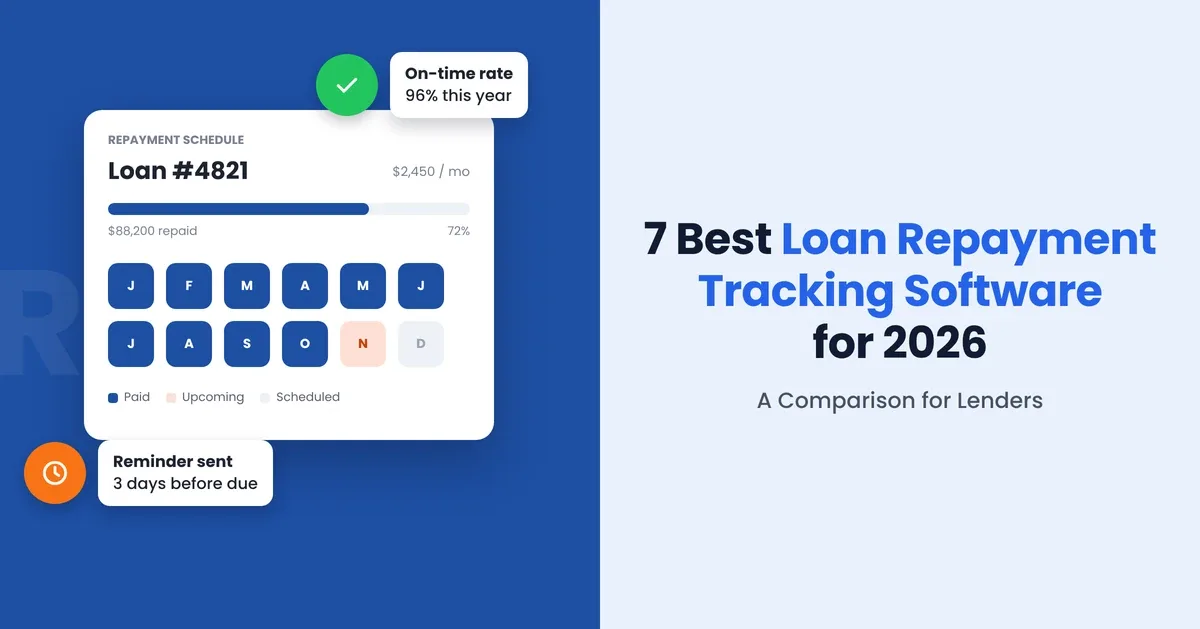
Loan repayment tracking software helps lenders centralize loan records, monitor scheduled and received payments, calculate outstanding balances, identify delinquent accounts, and generate portfolio reports. Depending on the platform, it may also support automated payment collection, borrower communications, accounting integrations, and wider loan servicing operations.
This guide compares seven platforms for 2026: Bryt Loan Tracking Platform, Nortridge Loan System, TurnKey Lender, Abrigo, HES LoanBox, Margill Loan Manager, and Mambu. The comparison focuses on repayment management, loan structure flexibility, automation, integrations, deployment, security, and pricing transparency.
1. Bryt Loan Tracking Platform
Loan Tracking Platform like Bryt is a cloud-based loan servicing and tracking solution for lenders that need to manage repayment activity beyond basic spreadsheets. It brings loan records, payment schedules, borrower information, documents, and portfolio reporting into a centralized environment. Its appeal lies in providing lenders with tools for day-to-day loan administration without necessarily requiring them to adopt a complete loan origination and underwriting system.
Bryt is worth evaluating when a lending business handles multiple loan categories and wants a dedicated platform for tracking repayment performance throughout the servicing lifecycle.
Key features
- Loan portfolio management: Organizes loan and borrower records to help lenders maintain a consistent view of their portfolios.
- Repayment schedules: Supports the creation and management of loan terms and scheduled repayments.
- Payment monitoring: Helps servicing teams track payment activity and review outstanding obligations.
- Portfolio reporting: Provides a centralized view of loan information for operational oversight and reporting.
- Document management: Keeps relevant loan documentation associated with servicing records.
- Optional functionality: Additional modules and integration capabilities may be available depending on the selected configuration.
Security and hosting
- Cloud-based deployment, with Microsoft Azure identified as the hosting environment in the product information supplied for this comparison.
- Access permissions and security controls should be reviewed against the lender's internal requirements.
- Confirm encryption standards, backup procedures, service availability commitments, and data-retention policies directly with the vendor.
Pricing and support
- Pricing is structured around the selected plan, portfolio requirements, and additional functionality.
- Confirm current subscription rates, implementation costs, and module charges before purchasing.
- Ask about trial availability, onboarding assistance, and the support channels included in the proposed plan.
Pros
- Designed around ongoing loan tracking and servicing rather than only loan application processing.
- Can suit lenders managing different types of lending products.
- Centralized records can reduce dependence on disconnected spreadsheets and manual reports.
- Optional integrations can help connect servicing workflows with other business systems.
Cons
- The final cost may depend on the features and integrations selected.
- Lenders should verify whether their specific payment processors and accounting systems are supported.
- Security commitments, service-level terms, and the availability of advanced automation should be confirmed during evaluation.
Best for: Private, commercial, and community-focused lenders looking for a dedicated loan tracking and servicing platform with room to accommodate different loan products.
2. Nortridge Loan System
Nortridge Loan System is a configurable loan servicing platform built for organizations that need control over complex lending operations. Rather than limiting its role to repayment calendars, it supports servicing workflows, payment processing, delinquency management, reporting, and collections. Its configurable approach can help lenders standardize operations while retaining flexibility for different products and servicing rules.
Nortridge is particularly relevant to lenders and loan servicers that manage large portfolios or need detailed control over how payments and overdue accounts are handled.
Key features
- Flexible loan servicing: Supports diverse loan products and configurable servicing rules.
- Payment processing: Accommodates supported payment channels, including ACH, debit and credit cards, and cash-payment partners.
- Payment application rules: Allows lenders to configure how received funds are applied to loan obligations.
- Collections management: Provides delinquency workflows, late-payment codes, campaign automation, and promise-to-pay tracking.
- Reporting and dashboards: Offers more than 150 standard reports, along with configurable reporting capabilities.
- Workflow automation: Helps teams automate recurring servicing tasks and manage operational queues.
Security and hosting
- Ask about available SaaS and private-cloud arrangements for the proposed deployment.
- Review access controls, audit trails, data protection measures, and disaster recovery provisions.
- Request current security documentation and contractual uptime commitments.
Pricing and support
- Pricing is generally quote-based; confirm the current subscription or licensing model directly with Nortridge.
- Implementation and configuration costs may depend on portfolio complexity.
- Request a demonstration using representative loan schedules and collections scenarios.
Pros
- Detailed servicing controls for complex lending environments.
- Strong reporting and delinquency-management capabilities.
- Flexible workflows can accommodate different operational requirements.
- Suitable for lenders that need more than basic repayment reminders.
Cons
- Configuration and implementation can require meaningful planning.
- The breadth of the platform may be unnecessary for lenders with small, straightforward portfolios.
- Total ownership costs should include implementation, integrations, and ongoing administration.
Best for: Established lenders and third-party servicers managing complex portfolios that require configurable payment processing, collections, and reporting.
3. TurnKey Lender
TurnKey Lender provides an integrated lending automation platform that covers loan origination, credit assessment, servicing, and collections. Its broader scope makes it different from tools designed primarily for repayment monitoring. Lenders can connect the early stages of a loan application with subsequent servicing activities in a configurable operational environment.
The platform is worth considering when a business wants to automate more of the lending lifecycle instead of introducing a separate tracking tool after loans have been approved.
Key features
- Loan origination: Supports configurable application workflows and loan-term setup.
- Credit decisioning: Provides automated underwriting and credit assessment capabilities.
- Loan servicing: Supports repayment administration, loan calculations, statements, and servicing workflows.
- Payment automation: Helps streamline payment-related tasks and borrower communications.
- Collections management: Supports overdue-account monitoring, delinquency categories, and configurable collection strategies.
- Reporting and analytics: Provides operational reporting and dashboards for monitoring lending activity.
TurnKey Lender describes these capabilities across its lending management platform.
Security and hosting
- Cloud-based deployment options are available; confirm the exact architecture offered for your contract.
- Review authentication, role-based access, data encryption, and audit logging.
- Request details about security certifications, data residency, backup arrangements, and service-level agreements.
Pricing and support
- Pricing is available through a vendor quotation rather than a universally applicable public rate.
- Costs may vary with selected modules, integrations, customization, and implementation requirements.
- Ask for a breakdown of recurring fees and professional services.
Pros
- Brings origination, servicing, and collections into a connected environment.
- Automation can reduce repetitive administrative work.
- Configurable workflows accommodate different lending models.
- Suitable for businesses building or modernizing digital lending operations.
Cons
- A full-lifecycle platform can be excessive if repayment tracking is the only requirement.
- Integration and configuration needs can affect deployment timelines.
- Buyers should establish which capabilities are standard and which require additional modules or services.
Best for: Digital lenders and growing lending businesses that want to connect loan origination with repayment servicing and collections.
4.Abrigo
Abrigo offers lending and credit-risk technology for financial institutions, including specialized tools for construction loan administration. Its strongest fit in this comparison is lenders that need to monitor loan risk, project budgets, draw requests, inspections, and related documentation rather than simply record installment payments.
For construction lenders, repayment oversight is only one part of managing exposure. Understanding how funds are disbursed, whether project budgets remain on track, and which loans may require intervention can be equally important.
Key features
- Construction loan administration: Supports residential and commercial construction lending workflows.
- Draw tracking: Helps lenders review funding requests and monitor project disbursements.
- Budget monitoring: Provides visibility into project budgets and remaining funds.
- Inspection workflows: Supports the collection and review of inspection information.
- Risk alerts: Helps identify potentially problematic construction loans.
- Reporting and audit trails: Centralizes project information for oversight and operational review.
Abrigo's construction lending software documents these specialized capabilities.
Security and hosting
- Web-based access supports use across computers and mobile devices.
- Confirm the hosting architecture, access permissions, data protection controls, and availability commitments for the selected solution.
- Ask how the product integrates with the institution's existing core banking and loan systems.
Pricing and support
- Pricing is typically provided through a vendor consultation.
- Costs may depend on the product, institution size, implementation requirements, and integrations.
- Request a demonstration using the institution's construction draw and approval processes.
Pros
- Specialized capabilities for construction loan administration.
- Helps connect project budgets, draw activity, inspections, and risk monitoring.
- Reporting and audit trails can improve visibility across construction portfolios.
- Relevant to financial institutions seeking to replace fragmented project-tracking processes.
Cons
- Its construction-focused functionality may not meet every lender's general-purpose repayment tracking needs.
- The right feature set depends on the specific Abrigo product being evaluated.
- Buyers should verify support for routine borrower payments, amortization, and repayment reminders rather than assuming these are covered by every module.
Best for: Banks and credit unions with construction lending portfolios that need stronger control over draw administration, project monitoring, and loan risk.
5. HES LoanBox
HES LoanBox is a configurable lending platform that covers loan origination, servicing, loan management, and collections. Its modular approach gives lenders the option to design a system around their operational processes and expand its capabilities as their business evolves.
For repayment tracking, the main consideration is how LoanBox can connect scheduled payments and servicing events with borrower communications, delinquency handling, reporting, and other lending workflows.
Key features
- Loan product configuration: Supports the setup of lending products with different terms and operational rules.
- Servicing workflows: Helps manage ongoing loan administration and repayment-related processes.
- Collections automation: Supports the handling of overdue accounts and collection activities.
- Configurable architecture: Allows workflows and modules to be adapted to business requirements.
- Integrations: Offers API-based integration possibilities and connections to relevant third-party services.
- Reporting and auditability: Provides operational insights and records of system activity.
HES LoanBox describes its modular design and lending lifecycle coverage in its official platform overview.
Security and hosting
- Deployment options include on-premises, cloud, and hybrid arrangements, depending on the implementation.
- HES FinTech reports ISO 27001 certification and alignment with SOC 2 controls.
- Available controls include encryption, access management, and activity logging; verify the precise scope of the chosen deployment.
The vendor's security documentation explains its compliance approach.
Pricing and support
- Pricing is quotation-based and depends on the proposed configuration.
- Implementation effort varies with customization, integrations, and deployment choices.
- Ask whether the vendor offers a preconfigured package for your lending segment or requires a more extensive implementation.
Pros
- Modular architecture supports gradual expansion.
- Combines repayment servicing with broader lending operations.
- Deployment flexibility can help institutions address infrastructure and data-residency requirements.
- Integration and workflow customization can accommodate specialized business processes.
Cons
- Customization can increase the time and effort required for implementation.
- Technical resources may be needed to manage integrations and system changes.
- Buyers should establish which modules, services, and security responsibilities are included in the contract.
Best for: Fintechs and lending institutions that need configurable servicing workflows, flexible deployment, and a platform that can expand with their operations.
6. Margill Loan Manager
Margill Loan Manager is a loan administration solution with a particular emphasis on interest calculations, amortization, and flexible payment structures. It supports lenders that cannot rely exclusively on standard monthly installment schedules, including organizations that manage irregular payments, variable rates, additional principal payments, or specialized lending arrangements.
The software is also notable for its reporting and data-import capabilities, which can help organizations move existing loan records into a more structured servicing environment.
Key features
- Flexible amortization: Supports regular and irregular schedules, interest-only payments, principal-only payments, and other payment arrangements.
- Interest calculations: Handles different interest methods, compounding periods, day-count conventions, and rate changes.
- Payment administration: Supports recording paid, unpaid, partial, late, and additional payments.
- Late-payment handling: Allows configurable fees and reporting for overdue obligations.
- Data import and integration: Supports Excel and JSON data exchange, alongside integrations with systems such as QuickBooks, Sage, and Salesforce.
- Reporting and borrower communication: Provides customizable reports, statements, dashboards, and bulk email or SMS capabilities.
Security and hosting
- Available as a cloud service and through self-hosted or network-installed arrangements.
- The vendor documents encrypted database storage and configurable user permissions.
- Its cloud offering identifies Microsoft Azure hosting and SOC 2 compliance; confirm the current assurance documentation and applicable scope.
Pricing and support
- Pricing depends on factors such as loan volume, number of users, and deployment method.
- A 30-day trial is advertised by the vendor.
- Compare cloud subscription costs with self-hosted licensing, maintenance, and infrastructure expenses.
Pros
- Particularly useful for nonstandard repayment schedules and interest calculations.
- Offers detailed payment and accounting reports.
- Supports bulk data handling and multiple integration methods.
- Cloud and self-hosted options provide deployment flexibility.
Cons
- Advanced configuration may take time for staff to learn.
- Deployment and licensing models need careful cost comparison.
- Lenders with simple, standardized loans may not need its full calculation capabilities.
Best for: Lenders and financial administrators who need accurate interest calculations, complex amortization, or support for irregular loan repayment arrangements.
7. Mambu
Mambu is a cloud-native lending platform designed for financial institutions that want configurable lending products and connected digital operations. Its API-oriented architecture makes it relevant to organizations building lending services around their own customer applications, payment providers, and operational systems.
Rather than functioning solely as a repayment tracker, Mambu supports a broader lending environment in which loan product configuration, repayment rules, servicing, and collections can be coordinated through connected workflows.
Key features
- Loan product configuration: Allows financial institutions to define lending terms, interest rules, fees, and repayment schedules.
- Repayment management: Supports repayment processing and loan servicing according to configured product rules.
- Arrears and collections: Provides capabilities for managing overdue accounts and servicing workflows.
- API-based integrations: Connects lending operations with customer-facing applications and other financial systems.
- Portfolio oversight: Supports access to loan and operational data for reporting and monitoring.
- Multiple lending models: Can support consumer, business, embedded, and mortgage lending use cases, subject to configuration.
Security and hosting
- Cloud-native software-as-a-service architecture.
- Security controls, data residency, availability commitments, and audit capabilities should be assessed against the proposed contract.
- Ask for the current security documentation and details of integrations with your existing banking infrastructure.
Pricing and support
- Pricing is generally tailored to the institution and the scope of the deployment.
- Implementation costs depend on product configuration, integrations, and migration requirements.
- Request a detailed commercial proposal and a realistic implementation plan.
Pros
- Flexible product configuration for varied lending requirements.
- API-oriented architecture supports connected digital lending experiences.
- Suitable for institutions planning to scale lending operations.
- Can bring servicing into a broader digital financial platform.
Cons
- May be too extensive for organizations that only need basic repayment tracking.
- Integration and implementation can require technical expertise.
- Total cost and delivery timelines depend on the scope of the solution.
Best for: Fintechs and financial institutions that need
configurable lending infrastructure and integrated servicing at
scale.
Comparison at a Glance
| Software | Best For | Deployment | Pricing |
|---|---|---|---|
| Bryt | Dedicated loan servicing and repayment visibility | Cloud (Azure) | Tiered, month-to-month, 30-day free trial |
| Nortridge | Complex servicing and collections | SaaS / private cloud | From $1,200/mo (per vendor) |
| TurnKey Lender | Origination plus servicing in one system | Cloud | Contact vendor |
| Abrigo | Banks and credit unions, especially construction lending | Web-based | Contact vendor |
| HES LoanBox | Configurable lending workflows | Cloud (modular) | Contact vendor |
| Margill Loan Manager | Complex interest and amortization | Cloud / self-hosted | Contact vendor |
| Mambu | API-driven digital lending at scale | Cloud-native | Enterprise, contact vendor |
How to Choose Loan Repayment Tracking Software
Choosing the right platform requires more than comparing feature lists. The system must accurately reflect your lending rules, fit your existing processes, and provide reliable information when payments are missed or account balances need to be reconciled.
- Repayment and interest accuracy: Verify support for your actual loan structures, including interest-only periods, balloon payments, variable rates, and irregular installments.
- Payment allocation: Check how the software distributes partial payments across principal, interest, fees, and other obligations. Confirm that allocation rules can be configured to match your servicing policies.
- Automation: Look for scheduled payment processing, recurring debit support, payment posting, borrower notices, and automated fee calculations where required.
- Delinquency management: Review overdue alerts, aging reports, collections workflows, and tools for tracking promises to pay.
- Reporting and reconciliation: Ensure you can generate loan-level histories, outstanding balance reports, payment summaries, and portfolio performance reports without extensive manual work.
- Integration capabilities: Assess compatibility with your accounting software, payment processors, banking infrastructure, and existing loan origination system.
- Security and access controls: Ask about encryption, multifactor authentication, user permissions, audit logs, backup arrangements, and contractual uptime commitments.
- Implementation and scalability: Consider data migration, training, customization, and the resources needed to maintain the platform as your portfolio grows.
- Total cost of ownership: Compare subscription or license fees alongside implementation, support, payment processing, integrations, and optional modules.
- Practical testing: Use a demo or trial to test real-world scenarios, including missed payments, partial repayments, early payoff calculations, and adjustments to loan terms.
Frequently Asked Questions
1. What is loan repayment tracking software?
Loan repayment tracking software helps lenders record scheduled and received payments, calculate outstanding balances, monitor overdue installments, and review repayment histories. Depending on the platform, it can also automate notices, payment processing, reporting, and collections workflows.
2. How does repayment tracking software differ from loan servicing software?
Repayment tracking focuses on payment schedules, balances, and payment status. Loan servicing software generally covers a broader range of post-origination activities, including interest accrual, payment allocation, borrower communication, account adjustments, document management, and collections. Many servicing platforms include repayment tracking as a core capability.
3. Which loan repayment tracking software is best for private lenders?
The right choice depends on portfolio size, loan structures, and servicing requirements. Bryt is worth evaluating for lenders seeking dedicated servicing tools and centralized repayment visibility. Margill is relevant when complex interest calculations and irregular schedules are priorities, while Nortridge may suit more complex servicing and collections operations.
4. Can loan tracking software handle partial and late payments?
Some platforms support partial-payment recording, configurable payment allocation, late-fee calculations, and overdue-account monitoring. However, the exact behavior differs by product. Test how each system handles returned payments, unapplied funds, payment reversals, and changes to delinquent loan schedules.
5. Does loan repayment tracking software support automatic payments?
Many platforms offer payment integrations or automation features, but capabilities vary. Some support recurring bank debits, while others rely on third-party payment providers or external systems. Verify supported payment methods, transaction fees, settlement reporting, and how failed payments are handled.
6. How much does loan repayment tracking software cost?
Pricing depends on loan volume, user count, modules, deployment, and implementation complexity. Some vendors offer modular subscriptions, while others provide customized enterprise quotes. Compare the complete cost of ownership rather than relying only on the advertised starting price.
7. Can these platforms integrate with accounting software?
Integration options vary. Some systems support accounting exports, APIs, or connections to applications such as QuickBooks and Sage. Before selecting a platform, confirm whether the required integration is native, requires an add-on, or needs custom development.
8. Is cloud-based loan repayment software secure?
Cloud deployment can provide centralized access and professionally managed infrastructure, but security depends on the vendor's controls and contractual commitments. Review authentication, encryption, access permissions, audit logging, data residency, backup policies, and independent security assessments before storing sensitive borrower information.
9. Should a lender choose an all-in-one lending platform or a dedicated tracking system?
A dedicated servicing platform may be sufficient when loan origination already happens elsewhere and the primary challenge is repayment administration. An all-in-one platform may be more suitable when the lender wants to connect applications, underwriting, servicing, and collections. Compare the additional functionality against the cost and complexity it introduces.
Conclusion
Loan repayment tracking software can help lenders replace fragmented records with more consistent payment administration, clearer portfolio reporting, and better visibility into overdue accounts. The right platform should reflect the complexity of your loan products, the volume of repayments you process, and the level of automation your team needs.
Bryt is a candidate for lenders looking for dedicated loan servicing and repayment management. Nortridge is worth considering for complex servicing operations, TurnKey Lender for connected origination and servicing, Abrigo for construction lending workflows, HES LoanBox for configurable lending infrastructure, Margill for advanced interest calculations, and Mambu for API-driven lending at scale.


