



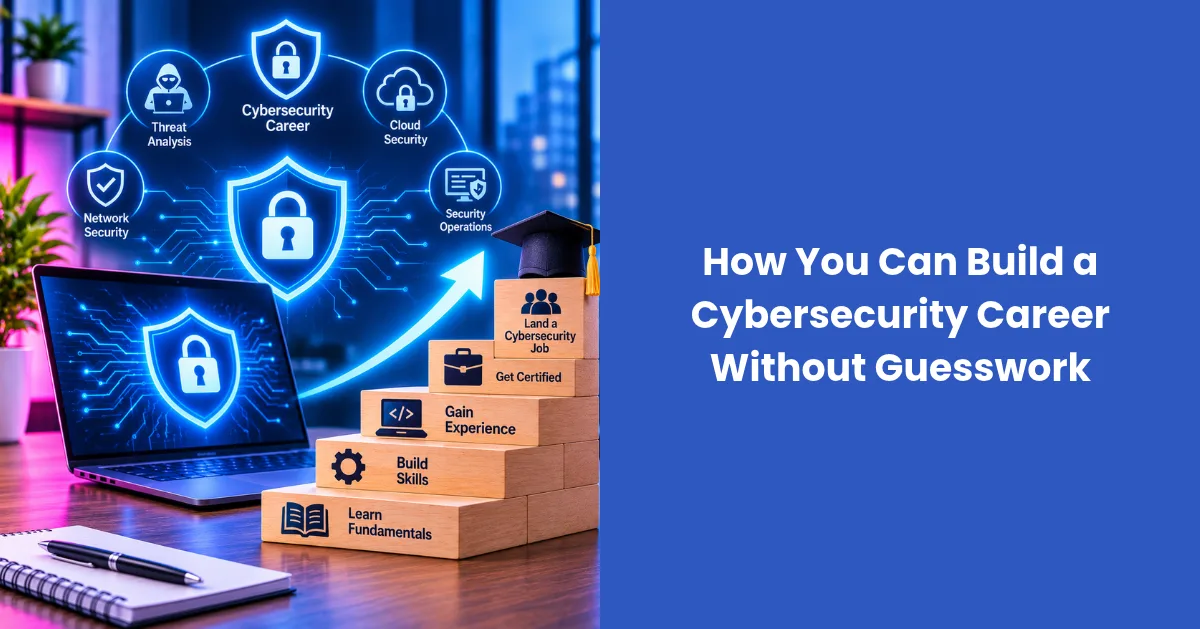
Pick Education That Matches Your Career Stage
Cybersecurity education comes in several forms, and each serves a different purpose. Short courses can help you test the waters. Certifications can validate specific skills. Degree programs often provide broader technical depth, research exposure, and leadership preparation.
If you already have some technical background and want a structured path into advanced roles, an online masters of cyber security degree can make sense. Programs like that are built for people who need stronger expertise in areas such as digital forensics, cyber operations, and policy while keeping some flexibility.
The key is fit. Don’t choose a path because it sounds prestigious. Choose it because it helps you qualify for the roles you actually want. A security engineer, governance specialist, and incident responder may each benefit from very different combinations of education and hands-on training.
Understand What Cybersecurity Jobs Really Look Like
Cybersecurity is not one single job. It’s a whole ecosystem of roles with very different day-to-day work. You could end up monitoring alerts in a security operations center, testing networks for weaknesses, helping a company recover from ransomware, or writing policies that keep teams compliant.
That variety is great for you, but it also creates confusion. A lot of people say they want to “work in cybersecurity” without knowing whether they enjoy analysis, coding, auditing, or incident response. The field has room for technical specialists and strategy-minded professionals.
Before picking a path, look at actual job postings. Pay attention to tasks, not just titles. “Cybersecurity analyst” at one company might mean log review and alert triage. At another, it could include vulnerability scanning, compliance reporting, and user training. Same label, different game.
Start With Core Skills Before Chasing Fancy Titles
It’s tempting to jump straight to ethical hacking videos and breach simulations. They’re flashy, and yes, they look cool. Still, employers usually care more about whether you understand the basics that make secure systems work in the first place.
You need a working grasp of:
- Networking fundamentals like TCP/IP, ports, DNS, and firewalls
- Operating systems, especially Windows and Linux
- Identity and access management
- Risk assessment and security policy concepts
- Basic scripting in Python, PowerShell, or Bash
- Cloud platforms and shared responsibility models
If you skip those building blocks, advanced concepts start feeling like alphabet soup with a side of panic. A strong foundation makes certifications, labs, and interviews much easier.
A simple example: if you understand how normal network traffic behaves, spotting suspicious activity becomes far less mysterious. You’re no longer memorizing threats. You’re recognizing patterns.
Build Experience Even If You Don’t Have a Security Job Yet
One of the biggest myths in cybersecurity is that you need a cybersecurity job before you can gain cybersecurity experience. Not true. You can build highly relevant experience long before anyone gives you a security badge and a corporate laptop.
Try practical steps like these:
- Set up a home lab using virtual machines
- Practice on legal platforms like TryHackMe or Hack The Box
- Learn to read logs and investigate simple events
- Document your projects on GitHub or a portfolio site
- Join capture-the-flag competitions or local security groups
- Volunteer for tech support or system admin tasks that expose you to security issues
Hiring managers often respond well to proof of curiosity and follow-through. A candidate who can explain how they configured a lab, found a misconfiguration, and fixed it may stand out more than someone who only lists buzzwords. Cybersecurity has plenty of jargon already. You don’t need to cosplay as a glossary.
Learn the Tools, but Don’t Marry Them
Tools matter in cybersecurity, but tool obsession can trap you. New learners sometimes focus too much on memorizing platforms: SIEM dashboards, endpoint tools, scanners, ticketing systems, and cloud consoles. Those are useful, but tools change constantly.
What lasts longer is understanding what the tool is supposed to accomplish.
For example, if you know how endpoint detection works, you can adapt across products. If you understand vulnerability management, switching scanners becomes annoying rather than career-ending. That’s a much better place to be.
Focus on categories such as:
- SIEM and log analysis tools
- Vulnerability scanners
- Endpoint detection and response platforms
- Identity and access management systems
- Cloud security tools
- Packet capture and traffic analysis software
When you study a tool, ask yourself what problem it solves, what data it needs, and where it can fail. That level of thinking is far more valuable than clicking through a polished interface and hoping the dashboard feels impressed.
Pay Attention to the Human Side of Security
Cybersecurity has a technical reputation, but plenty of security failures begin with people, communication gaps, rushed decisions, or bad process design. You can be brilliant with packet captures and still struggle if you can’t explain risk clearly to a manager, developer, or client.
Strong professionals in this field know how to:
- Write concise incident summaries
- Explain technical risks in plain language
- Collaborate across IT, legal, and operations teams
- Prioritize issues based on business impact
- Stay calm during pressure-heavy situations
Picture a phishing incident at a mid-sized company. The technical cleanup matters, but so does how fast the team coordinates password resets, notifies users, preserves evidence, and prevents repeat mistakes. Security work often lives at that intersection between engineering and decision-making.
That mix is one reason the field stays interesting. You’re not just managing machines. You’re helping organizations make smarter choices under stress.
Plan for Long-Term Growth Instead of Quick Wins
Cybersecurity changes fast, and that can make people chase every trend at once: AI security, cloud posture, zero trust, threat hunting, red teaming, governance, and on and on. Curiosity helps. Constant flailing does not.
A better approach is to build your career in layers. Start with a direction, then deepen your skills over time. You might begin in help desk, systems administration, networking, or compliance and move into security from there. That route is common and often underrated.
Think about long-term growth in stages:
- Year 1: Build core IT and security fundamentals
- Year 2: Add hands-on projects, entry certifications, or internships
- Year 3: Specialize in an area that fits your strengths
- Year 4 and beyond: Pursue advanced education, leadership, or deep technical roles
You don’t need to know your final niche on day one. You do need to stay intentional. A steady plan beats random credential collecting every time.


