


Why Connected Software Matters for Business Operations
Many organizations adopt new software gradually as individual departments encounter problems that need to be solved. Finance teams may introduce accounting platforms, sales departments may implement customer relationship management systems, and human resources may select specialized employee management applications. Each system may perform its intended function effectively while remaining disconnected from the technology used elsewhere in the company. Over time, these isolated systems can create difficulties that affect communication and operational efficiency.
Vendor relationships provide an example of why connected business information matters. Companies often maintain supplier details, payment information, purchase orders, and contractual obligations in separate applications managed by different departments. Using vendor contract management software can help organizations maintain accessible agreement records and review important obligations, particularly when these processes are coordinated with procurement and finance systems. This approach can make it easier for authorized employees to locate relevant information without relying on repeated requests or disconnected records.
Recognizing the Problems Created by Disconnected Systems
Disconnected software can create operational challenges that become more serious as an organization grows. Employees may maintain separate spreadsheets to compensate for missing functionality or manually copy information between applications that serve different purposes. These temporary solutions often work when transaction volumes are relatively small, but they can become difficult to maintain as business activity increases. The resulting inefficiencies may affect productivity, reporting accuracy, and employee satisfaction.
Data inconsistencies are among the most common problems associated with fragmented business systems. A customer address may be updated in one application while remaining outdated in another, or an approved purchase may not appear promptly in financial records. These discrepancies can lead to billing problems, incorrect reports, or delays in completing routine activities. Identifying the correct information becomes especially challenging when departments have different procedures for maintaining their records.
Using Software Integration to Improve Data Accuracy
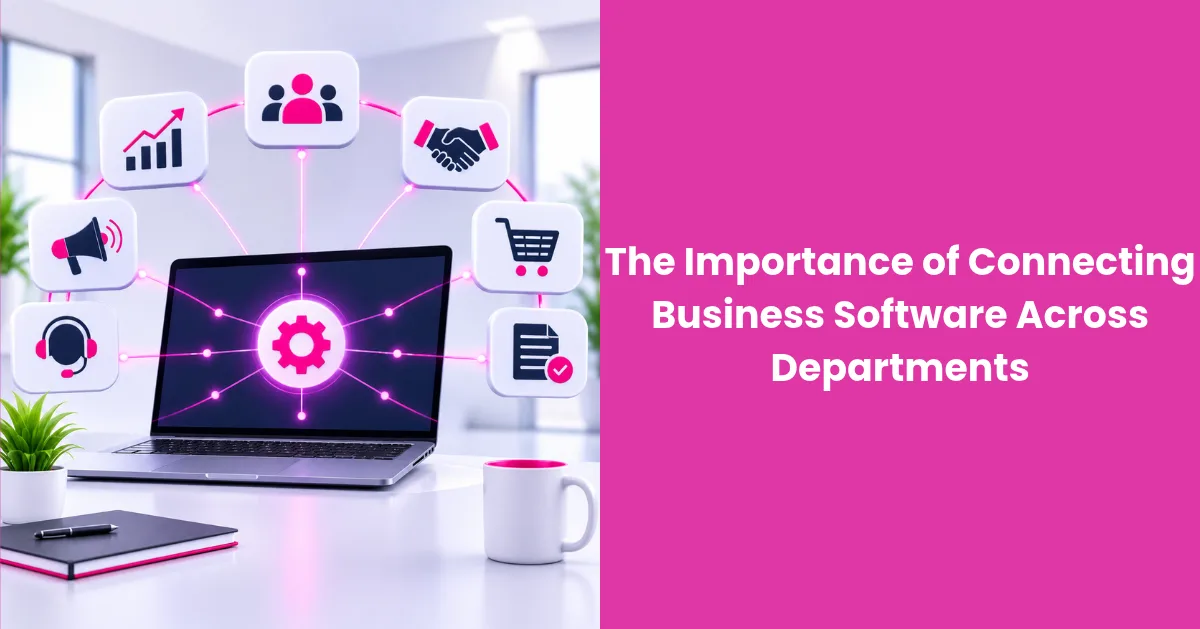
Software integration allows different applications to exchange information through established technical connections and controlled processes. These connections may involve application programming interfaces, middleware platforms, automated data transfers, or other integration methods. The appropriate approach depends on the systems involved and the information that needs to be shared. Businesses should begin by identifying the specific workflows that would benefit from more reliable data exchange.
For example, connecting a customer relationship management platform with a financial application may reduce the need to reenter customer information when preparing invoices. Integrating purchasing systems with inventory applications can help employees understand how incoming orders affect available stock. Similar connections between project management and time-tracking systems may improve the accuracy of resource planning. Each integration should address a clearly defined operational need rather than adding technical complexity without a practical benefit.
Supporting Collaboration Between Finance, Operations, and Management
Different departments often need access to overlapping information even when their responsibilities are distinct. Finance teams require accurate transaction records, operations departments need visibility into resources and schedules, and managers depend on performance information to guide decisions. When these groups use disconnected systems, obtaining a complete picture may require extensive manual reporting. Better software connections can make shared information available more consistently.
Financial planning provides a useful example of the benefits of cross-department integration. Accurate forecasts depend on understanding revenue expectations, purchasing commitments, staffing expenses, and ongoing operational requirements. When financial systems receive relevant information from other business applications, budgeting processes may become more responsive to changing conditions. This allows decision-makers to identify developing financial concerns before they become more difficult to address.
Protecting Business Information During System Integration
Connecting software platforms introduces important security considerations because information may move between applications with different access controls and technical requirements. Businesses must understand what information is being transferred, which systems can access it, and how that information will be protected. Financial records, employee details, customer information, and confidential business agreements may all require additional safeguards. Integration projects should therefore include security planning from the beginning.
Access permissions are particularly important when information is shared across departmental boundaries. Employees should generally receive access only to the information necessary for their responsibilities, even when systems are connected. A purchasing employee may need to view supplier details without requiring access to every financial record maintained by the accounting department. Role-based access controls and appropriate authentication procedures can help organizations maintain these distinctions.