1. One Size Rarely Fits All
Pre-built solutions are made to serve the masses. That often means compromise. You may pay for features you don’t need, or worse, lack the exact functionality that sets your business apart.
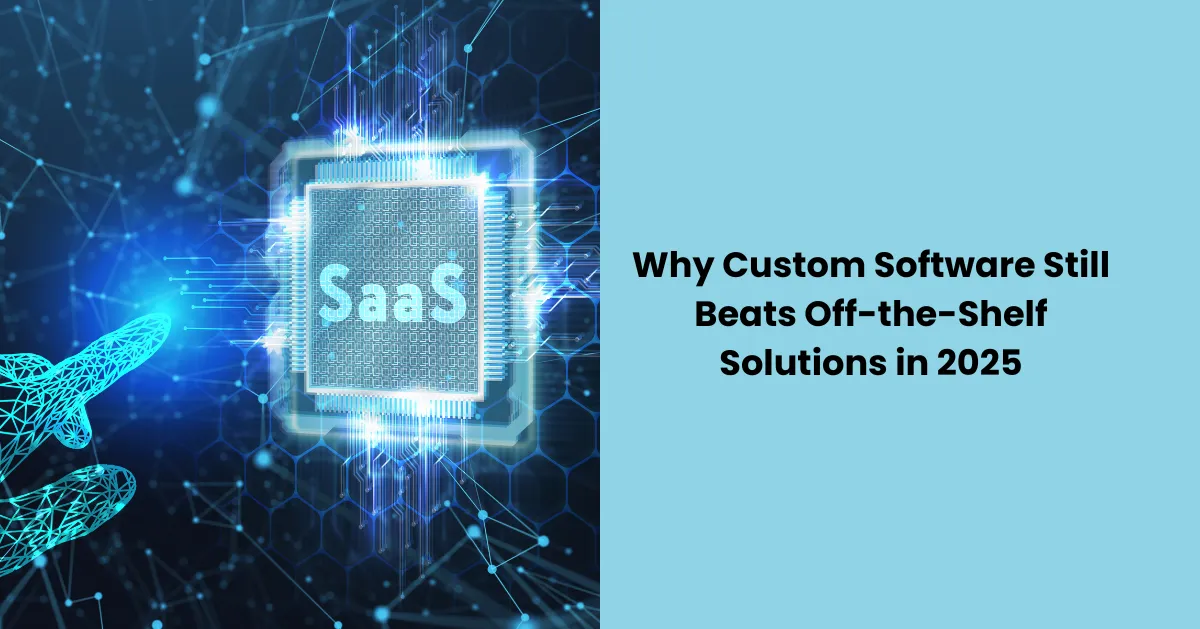
Custom software, by contrast, is built specifically around your business processes. Whether you're streamlining internal operations, developing a customer-facing app, or integrating legacy systems, tailored software ensures a perfect fit.
For example, a retail business might need to integrate a QR code generator directly into its point-of-sale system or marketing tools—something generic platforms may not support effectively. Custom development allows you to embed these features exactly where they’re needed. This is where custom builds clearly outperform off-the-shelf tools. QR codes are now central to many workflows—collecting customer feedback, managing event check-ins, powering property tours in real estate, or even networking at conferences. A flexible solution like The QR Code Generator (TQRCG) becomes far more valuable when embedded directly into your own software, rather than being bolted on as a generic add-on. With custom integration, you’re not just using QR codes—you’re shaping them to fit your exact processes, which is what keeps custom software ahead in 2025.
2. Flexibility to Grow and Adapt
As your business evolves, so do your software needs. Off-the-shelf solutions might lock you into licensing models, rigid user tiers, or limited integrations. Custom solutions, however, evolve with you. Need to add new features, connect to a new CRM, or scale for new markets? A custom build gives you full control.
In 2025, flexibility isn’t optional—it’s a survival strategy.
3. Security and Compliance Advantages
With cybersecurity threats more advanced than ever, protecting your data (and your customers’) is non-negotiable. Mass-market software often shares codebases across thousands of users, making it a bigger target for attackers.
Custom software gives you the advantage of building security directly into your architecture. You control how data is stored, who accesses what, and how often it's updated. For industries with regulatory requirements—like healthcare or finance—this can be a game-changer.
4. Better User Experience = Better ROI
User experience (UX) isn't just about pretty interfaces. It's about helping users complete tasks with minimal friction. Off-the-shelf tools may feel bloated, confusing, or misaligned with your users’ habits.
A custom solution is designed with your user in mind. It speaks their language, understands their pain points, and reflects your brand values. The result? Higher engagement, lower churn, and ultimately—better returns.
5. Seamless Integration with Your Ecosystem
Most companies today use a mix of platforms—ERPs, payment gateways, analytics dashboards, logistics tools, and more. Making them talk to each other is key.
Custom development allows seamless integration with existing APIs, databases, and internal tools. That means fewer manual tasks, better data flow, and a clearer picture of what’s happening across the business.
The Verdict
Off-the-shelf tools have their place—especially for startups or temporary use. But for businesses aiming to scale, differentiate, or deeply optimize, custom software is still the smartest long-term investment.