



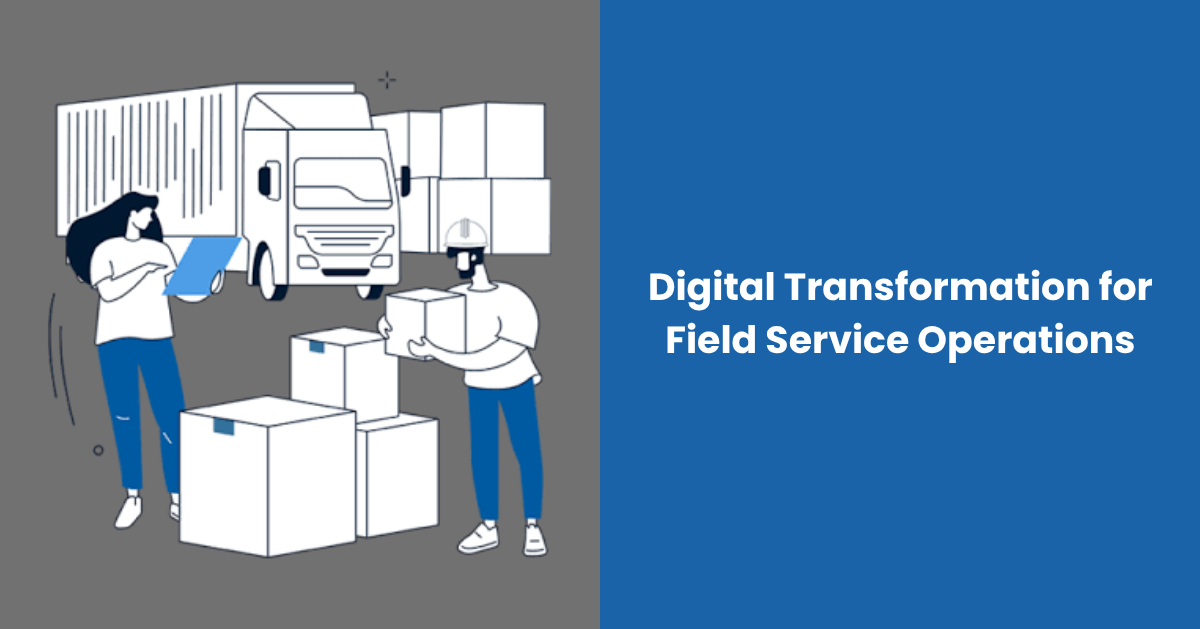
Adopting modern digital tools allows companies to improve everything from how technicians are dispatched to how they perform their work on-site. This creates a more responsive and effective way to deliver service.
Mapping Out Your Field Service Workflow
Before you can digitize your operations, you need a crystal-clear understanding of your current processes. This means mapping out every step, from the moment a customer requests service to the final invoice. A detailed field service management workflow should include scheduling, dispatching, travel, on-site work, parts management, and customer communication. This audit often uncovers hidden inefficiencies and bottlenecks.
For example, you might find that technicians spend too much time on logistical tasks instead of their core work. Eliminating these kinds of delays is key to improving efficiency.
Integrating Smart Scheduling and Dispatch
Manual scheduling with spreadsheets or whiteboards is prone to errors and can't adapt to real-time changes. Digital transformation replaces these outdated methods with intelligent scheduling and dispatch software, helping field service teams work more efficiently. For enterprise HVAC operations running multiple sites, dispatch software for field teams helps assign service jobs to the right technicians. It weighs skills, availability and service zone before the dispatcher approves each assignment.
- Optimized Routes: Software can calculate the most efficient travel routes, reducing fuel costs and driving time.
- Real-Time Adjustments: If a job runs long or an emergency request comes in, the system can automatically reassign tasks to the nearest available technician, helping Nature's Call Site Services respond more efficiently.
- Improved Capacity: Optimized schedules allow teams to fit more service calls into each day without overloading technicians.
This shift is an important part of digital transformation in field service, helping businesses become more agile, efficient, and responsive.
Enhancing On-Site Logistics and Support
Digital tools also directly benefit your technicians in the field technicians. Giving them mobile devices connected to a central system empowers them with the information they need to succeed. Through a dedicated app, a technician can access job histories, service manuals, and customer details right on their phone or tablet. This means no more bulky paperwork or frantic calls back to the office.
Plus, if a technician runs into an unexpected problem, they can use the app to video chat with a senior expert for remote guidance. Using remote support software in this way leads to a higher first-time fix rate.
Data-Driven Decision Making in the Field
One of the most powerful results of going digital is the ability to collect and analyze operational data. Every completed job, part used, and customer interaction becomes a data point. This information gives managers valuable insights they didn't have before. You can track key performance indicators (KPIs) like average job duration, travel time versus work time, and first-time fix rates, which can be improved with remote support software.
Analyzing this data helps you spot top-performing technicians, common equipment failure points, and chances to improve processes. Instead of relying on gut feelings, you can make strategic decisions backed by hard evidence.
Future-Proofing Your Service Delivery
Adopting digital tools is an ongoing commitment to getting better. The technology in this area is always evolving. Forward-thinking companies are already exploring technologies like the Internet of Things (IoT) to enable predictive maintenance. This is where sensors on customer equipment report potential issues before they become critical failures. Building a flexible digital foundation today prepares your organization to adapt to tomorrow's service demands.
