



The Evolution of Digital Operations
Modern business operations started by moving from paper ledgers to individual computers. Eventually, these computers were networked, creating internal digital workflows that made things more efficient. Today, we're in the next stage of this evolution, focusing on a complete digital transformation. This goes beyond just using software; it means rethinking an entire business model, from how you interact with customers to your internal processes, with technology at its core. It's about building a flexible, data-driven environment where every part of the organization is connected and can react quickly.
IoT's Role in Modernizing Business
The Internet of Things (IoT) is a key force behind this modernization. Simply put, IoT is a network of physical devices – everything from basic sensors to complex machines – that have technology embedded in them, letting them connect to the internet and share data. This creates a smart environment where the physical and digital worlds come together. For example, smart lighting and climate control systems can adjust themselves based on who's in a room, cutting energy costs without anyone having to do anything. To get the most out of these benefits, companies often use specialized IoT device monitoring services to make sure all connected parts work reliably and securely, forming a smooth, effective network.
Real-time Data for Smarter Decisions
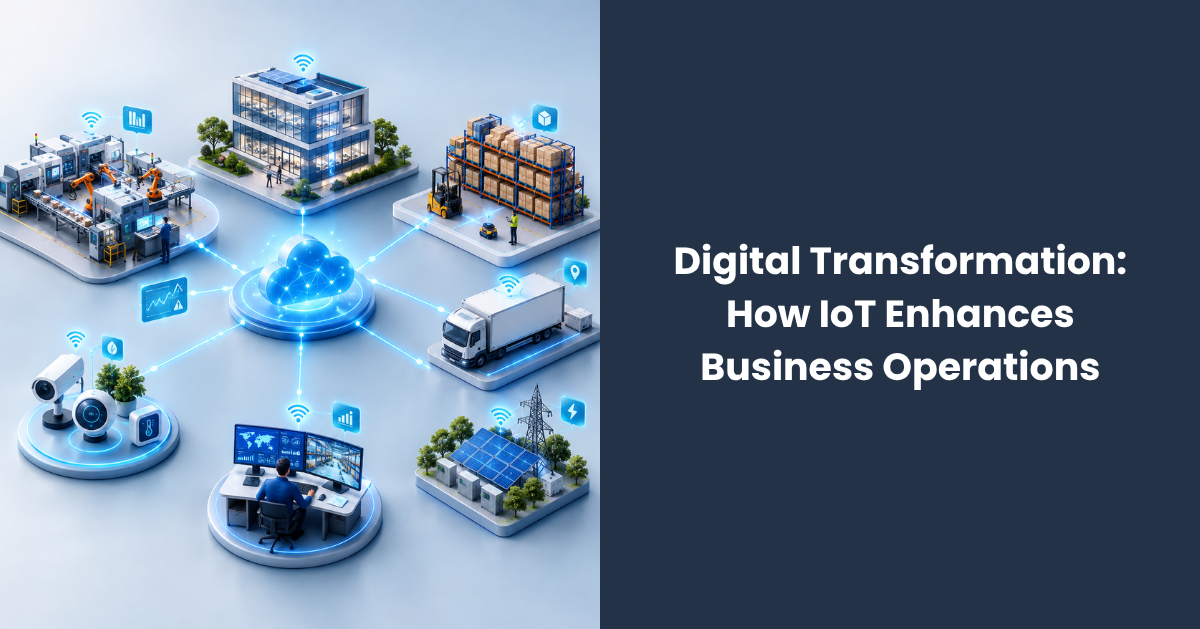
One of the most powerful things about IoT is its ability to generate huge amounts of real-time data for mobile apps. Before IoT, businesses often made decisions based on old reports and guesses. Now, connected devices offer a live look at what's happening right now. With IoT fleet management solutions, a logistics company can track its fleet's location, how much fuel it's using, and delivery status in real time. This lets them reroute instantly to avoid traffic. In manufacturing, sensors on assembly lines can check equipment health, sending alerts that signal a potential problem before it causes an expensive shutdown. This constant flow of live information helps leaders make proactive, evidence-based decisions, rather than just reacting to problems after they've already happened.
Optimizing Workflows with Connected Devices
Collecting data is just the first step; the real value comes from using that information to make workflows better. IoT allows for powerful automation that can simplify and even get rid of manual tasks. For instance, in a warehouse, smart shelves with weight sensors can tell when stock is low and automatically send a reorder request to the purchasing system. This not only stops stockouts but also frees up employees to focus on more complex work. This is often called predictive maintenance, where data trends are analyzed to schedule repairs before something breaks down. This ability to automate and predict helps improve business operations and reduces operational headaches.
Future-Proofing Your Business with IoT
Adopting IoT isn't just about getting immediate efficiency gains; it's a smart investment in your business's future. Companies that integrate connected technologies are building operations that are more agile, scalable, and resilient. An IoT setup can start with one specific use, like monitoring energy use, and then grow over time to include other areas like asset tracking and supply chain management. This flexibility allows a business to adapt as market demands and technology change. By embracing IoT, you position your organization to innovate faster, serve customers better, and keep a significant competitive edge in an increasingly connected world.
Ultimately, bringing IoT into your operations changes your business from something static into a dynamic system that's always learning. The technology gives you the tools to not only see what's happening now but also to anticipate what will happen next, building a foundation for continuous growth and success.
