


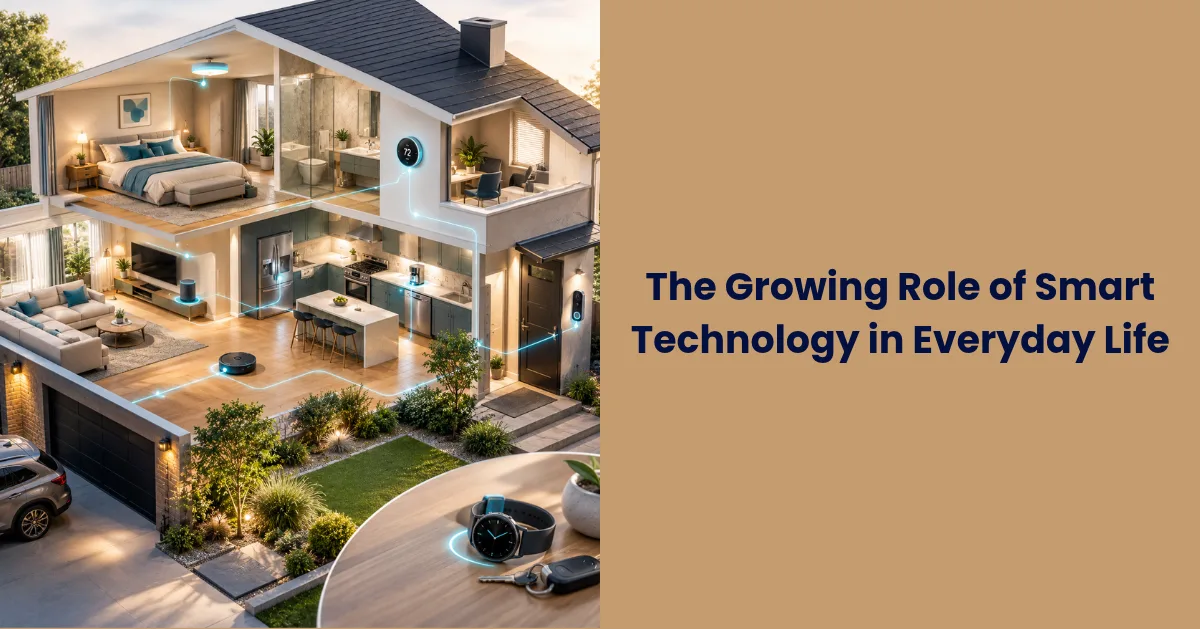
From connected appliances and intelligent lighting to wearable devices and artificial intelligence assistants, modern technology is changing how individuals interact with their surroundings. These innovations are not simply about introducing more electronic products into daily routines. Their broader purpose is to make familiar activities easier to manage, reduce repetitive tasks, and provide greater control over personal environments.
As smart technology becomes more accessible, consumers are discovering opportunities to personalize their experiences according to individual needs and preferences. Understanding these developments reveals how connected systems are reshaping modern lifestyles while creating new possibilities for comfort, productivity, and convenience.
Smart Technology Is Transforming Home Wellness Experiences
The growing popularity of connected home technology has extended into personal wellness and relaxation. Homeowners are increasingly interested in creating environments that combine comfortable surroundings with convenient digital controls, allowing them to personalize different aspects of their daily routines.
Modern wellness equipment reflects this interest through adjustable settings, digital interfaces, and features designed to make operation more straightforward. Rather than treating relaxation spaces as separate from the rest of the home, consumers are considering how these environments can complement broader lifestyle improvements.
Sauna technology offers an interesting example of how consumers can explore different approaches to a familiar wellness experience. The comparison of far infrared vs full spectrum sauna highlights distinctions between infrared heating technologies, helping homeowners better understand the options available when planning a personal relaxation space.
This growing interest in product specifications reflects a wider trend in technology purchasing. Consumers increasingly want to understand how equipment works, which features suit their preferences, and how different designs fit into their homes.
As wellness technology continues developing, thoughtful product selection and convenient controls can help create personalized relaxation environments that complement modern living.
Connected Appliances Are Making Household Management Easier
Smart appliances are changing how homeowners organize everyday responsibilities. Refrigerators, washing machines, ovens, and other household devices increasingly offer digital features that provide information about their operation and allow selected functions to be managed remotely.
For example, connected washing machines may notify users when a cycle finishes, while compatible ovens can offer guided cooking settings and convenient temperature controls. These features help households coordinate activities without constantly checking individual appliances.
Some devices can also provide maintenance notifications or information about energy consumption. Access to this information makes it easier to understand operating patterns and identify when equipment requires attention.
The most practical benefits often come from small improvements rather than dramatic automation. A notification that prevents forgotten laundry or a convenient maintenance reminder can make everyday routines more manageable.
As manufacturers develop compatible systems, connected appliances are becoming part of broader smart home environments where different household functions can be organized through shared applications.
Artificial Intelligence Assistants Are Changing Daily Communication
Artificial intelligence has moved beyond specialized business applications and become part of ordinary digital interactions. AI-powered assistants can help users organize information, draft messages, summarize documents, and complete various administrative tasks.
For households, these tools can support activities such as preparing shopping lists, planning schedules, or exploring information about unfamiliar subjects. Voice-controlled assistants also allow users to manage compatible devices through spoken instructions.
In professional environments, AI applications are helping employees organize meetings, review written materials, and handle repetitive communication tasks.
The conversational nature of these tools makes them accessible to people who may not have advanced technical knowledge. Instead of learning complicated software procedures, users can often describe what they want to accomplish in familiar language.
As these systems improve, their value will increasingly depend on providing useful assistance while allowing individuals to maintain control over important decisions.
Wearable Devices Are Encouraging Greater Personal Awareness
Smartwatches and fitness trackers have become popular examples of technology designed to accompany people throughout the day. These devices can record activity patterns, display notifications, and provide information about selected aspects of personal routines.
Many wearables track steps, exercise sessions, and estimated activity levels. Some also provide sleep-related information and reminders intended to encourage regular movement.
The convenience of having these features available on a wrist has helped integrate digital monitoring into everyday life.
For people interested in developing more consistent habits, wearable technology can provide a practical way to observe patterns over time. Reviewing activity information may help users recognize differences between busy working days, weekends, and periods of regular exercise.
Smart devices are also becoming more customizable, allowing individuals to choose which notifications and functions deserve attention.
This personalization makes wearable technology useful for a range of lifestyles rather than exclusively for dedicated fitness enthusiasts.
Smart Security Systems Offer Greater Household Control
Home security is another area experiencing significant technological development. Connected cameras, video doorbells, smart locks, and automated lighting systems provide homeowners with additional ways to monitor and manage their properties.
Video doorbells can allow residents to communicate with visitors remotely, while smart locks may support temporary access arrangements for family members or trusted guests.
Connected lighting can also be programmed to operate according to schedules or respond to selected conditions.
These systems are particularly convenient when homeowners travel or manage properties with multiple access points.
However, the effectiveness of smart security depends on thoughtful configuration. Strong passwords, regular software updates, and appropriate privacy settings help protect connected devices.
Homeowners should also consider how different security components work together rather than purchasing equipment without a clear plan.
A coordinated system can make household security more convenient while reducing the need to manage numerous separate applications.
Smart Technology Is Improving Energy Management
Energy management has become an important focus for smart home technology. Connected thermostats, intelligent lighting systems, and electricity monitoring tools can provide greater visibility over household consumption.
Smart thermostats may adjust heating and cooling according to schedules, occupancy patterns, or user preferences. This allows homeowners to maintain comfortable indoor conditions while managing when energy-intensive equipment operates.
Connected lighting offers similar flexibility. Timers, motion sensors, and automated settings can reduce unnecessary operation in rooms that are not being used.
Electricity monitoring applications provide additional information about consumption patterns, helping residents identify opportunities to adjust their routines.
For households using solar panels or residential battery storage, compatible energy management systems may coordinate different aspects of electricity generation and consumption.
These developments demonstrate how smart technology can support practical household decisions through clearer information and more convenient controls.
The Future of Smart Living Depends on Meaningful Integration
As smart devices become more common, the challenge is shifting from discovering new technologies to selecting systems that genuinely improve daily life.
A household may already contain several connected devices, but convenience can disappear when each product requires a separate application or complicated setup process.
Compatibility between manufacturers and clear interfaces will therefore remain important considerations. Consumers increasingly benefit from technology that integrates with existing equipment rather than requiring complete replacement.
Privacy and digital security are equally significant. Understanding how personal information is collected and maintaining control over connected devices should be part of responsible technology use.
Future smart homes will likely combine more advanced automation with personalized services that respond to changing routines and preferences.
However, successful adoption does not depend on installing every available device. It involves identifying practical needs and choosing technology that addresses them effectively.
Ultimately, smart technology is becoming a natural part of everyday life because it offers new ways to manage familiar responsibilities. Connected appliances, intelligent assistants, wellness equipment, wearable devices, and automated household systems all demonstrate the expanding possibilities of modern innovation.
By prioritizing convenience, compatibility, and thoughtful integration, individuals can create digital environments that support their lifestyles without introducing unnecessary complexity.
Smart Technology Is Changing the Way People Learn and Develop New Skills
Education is becoming increasingly connected to smart technology, creating new opportunities for people to learn outside traditional classrooms. Interactive applications, digital learning platforms, and AI-powered educational tools allow users to explore subjects at their own pace while receiving guidance suited to their individual needs.
Language learning provides a particularly useful example. Smart applications can offer pronunciation exercises, vocabulary practice, and interactive conversations that help learners develop communication skills. Some platforms analyze responses and suggest activities based on areas where additional practice may be beneficial. This personalized approach makes learning more accessible for people with different schedules and experience levels.
Smart technology is also influencing professional development. Employees can use digital platforms to complete training courses, practice technical skills, and access educational materials without traveling to specialized facilities. Virtual simulations and interactive tutorials provide opportunities to explore practical situations in controlled environments.
For families, connected educational devices can support homework, encourage curiosity, and introduce children to creative activities. Parents can also use learning applications to follow progress and identify subjects that require additional attention.
As educational technology develops, its greatest contribution may be making learning a more flexible and continuous part of everyday life.