



What the Job Really Looks Like
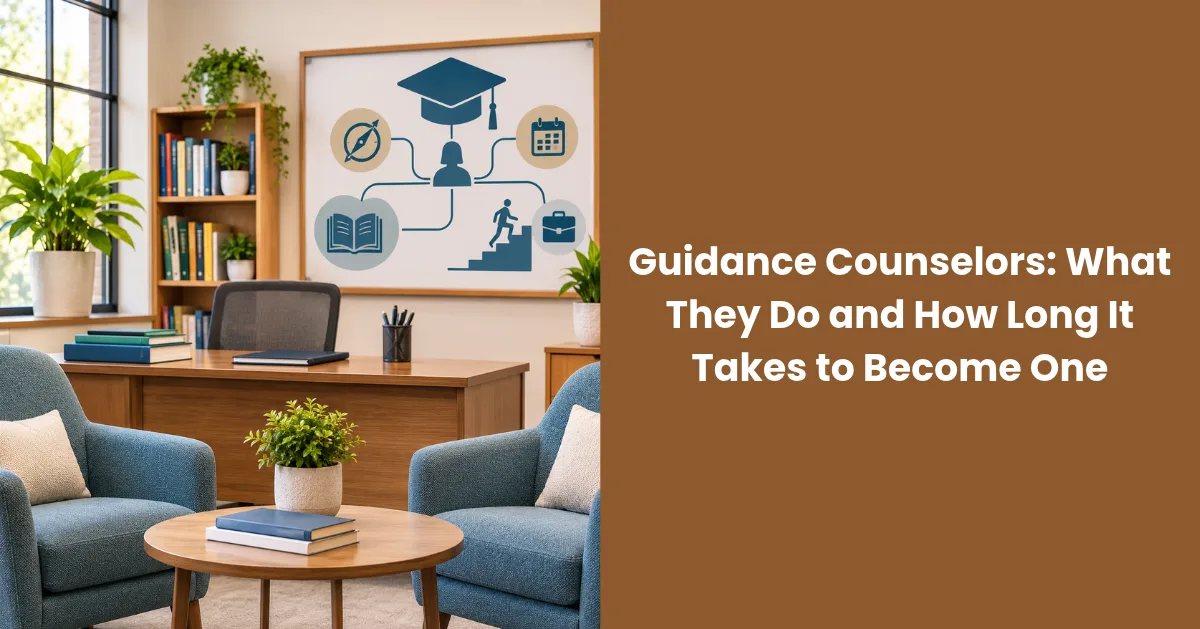
A guidance counselor, now commonly called a school counselor, does much more than help students choose classes. You may support students dealing with anxiety, peer conflict, attendance concerns, bullying, family difficulties, college applications, or career planning. You also help students recognize strengths, set goals, and identify resources when challenges affect their learning.
Counselors may also help students understand graduation pathways, resolve scheduling barriers, and connect families with community services. They must protect student privacy while following school policies and legal duties, including reporting suspected abuse or neglect. The balance between confidentiality and student safety is an important part of professional preparation. The work is collaborative. You may coordinate with teachers, administrators, psychologists, social workers, and families while reviewing academic progress, delivering lessons, and helping develop student support plans.
The focus varies by grade. Elementary counselors emphasize social development and adjustment; middle school counselors address relationships and study habits; high school counselors often focus on graduation, college applications, financial aid, and career pathways.
Graduate School Is Usually Essential
For most school counseling roles, a master’s degree is essential. Programs typically cover counseling theories, human development, ethics, assessment, student advocacy, and work with children and adolescents.
If you’ve been wondering how long does it take to be a guidance counselor? The graduate portion is where the answer becomes more specific. Many programs take two to three years, depending on course load, program structure, and whether you attend full time.
Practicum and internship placements let students apply their learning under supervision through student meetings, case documentation, staff collaboration, and other school-based responsibilities.
The Typical Timeline: Six to Eight Years
For someone starting without a college degree, an estimate is six to eight years. That usually means about four years to complete a bachelor’s degree, followed by two to three years in a master’s program in school counseling or a closely related field. Additional time may be needed for examinations, credential applications, background checks, or any requirements not completed during graduate study.
This is an estimate, not a universal rule. State requirements vary, and part-time study, additional prerequisites, or delayed internship placements can extend the timeline.
The U.S. Bureau of Labor Statistics explains that most public school counselor positions require a master’s degree and a state-issued credential. Its is a useful starting point for understanding the education and entry requirements.
Your Bachelor's Degree Builds the Foundation
The first step is usually a four-year bachelor’s degree. A specific major is not always required, but psychology, education, human development, and sociology can provide useful preparation. Graduate programs may set their own prerequisites.
Courses in child development, communication, behavioral science, and education are useful. Tutoring, mentoring, classroom assistance, and youth volunteering can help you test your interest in the work. Relevant experience is valuable too. It can also help you build references from supervisors who have seen how you communicate and respond to young people.
They also provide practical examples for graduate applications and help you assess your strengths.
Certification and State Requirements Can Add Time
Completing a degree does not automatically qualify you to work in every school. Public school counselors generally need a state credential, which may be called a license, certificate, or endorsement. Requirements can include an approved master’s program, supervised internship experience, an examination, and a background check.
Check state rules before choosing a program. Confirm that its coursework and fieldwork meet local standards, and review reciprocity rules if you may move.
The American School Counselor Association describes the profession's academic, career, and social-emotional responsibilities in its overview of school counseling and student development. Reviewing professional expectations can help you understand the work beyond the degree requirements.
Changing Careers Can Shorten the Route
If you already hold a bachelor’s degree, your remaining path may take roughly two to four years, depending on prerequisites, study pace, and local credential rules.
Former teachers, youth workers, and psychology-related professionals may bring transferable skills, but experience does not usually replace graduate training or supervised school experience.
What Speeds Up the Process—and What Delays It
Planning ahead makes a real difference. Choose a graduate program that aligns with the credential requirements in your intended state. Ask about internship placement, required hours, examination preparation, and application deadlines before enrolling. Keep transcripts, supervision records, and other documents organized throughout the process.
Changing programs, unsuitable degrees, delayed placements, and part-time study can add time. Online options offer flexibility, but the program must still meet requirements for your intended role. Ask admissions staff to explain how students secure placements and whether you must arrange a school site yourself.
Is the Time and Training Worth It?
School counseling can be meaningful but demanding. Students may face academic pressure, family stress, emotional concerns, or uncertainty. Counselors need patience, sound judgment, listening skills, boundaries, and collaboration.
The work is not simply giving advice. It means helping students build skills, connecting them with support, and advocating for conditions that help them learn.
The timeline may seem long, but the steps are manageable when planned carefully. Start by checking local credential rules, compare suitable graduate programs, and seek experience working with young people. That preparation can turn an appealing career idea into a realistic professional plan. Before enrolling, speak with practicing counselors if possible. Their perspective can help you understand daily responsibilities, workload, and the emotional boundaries the profession requires.


