



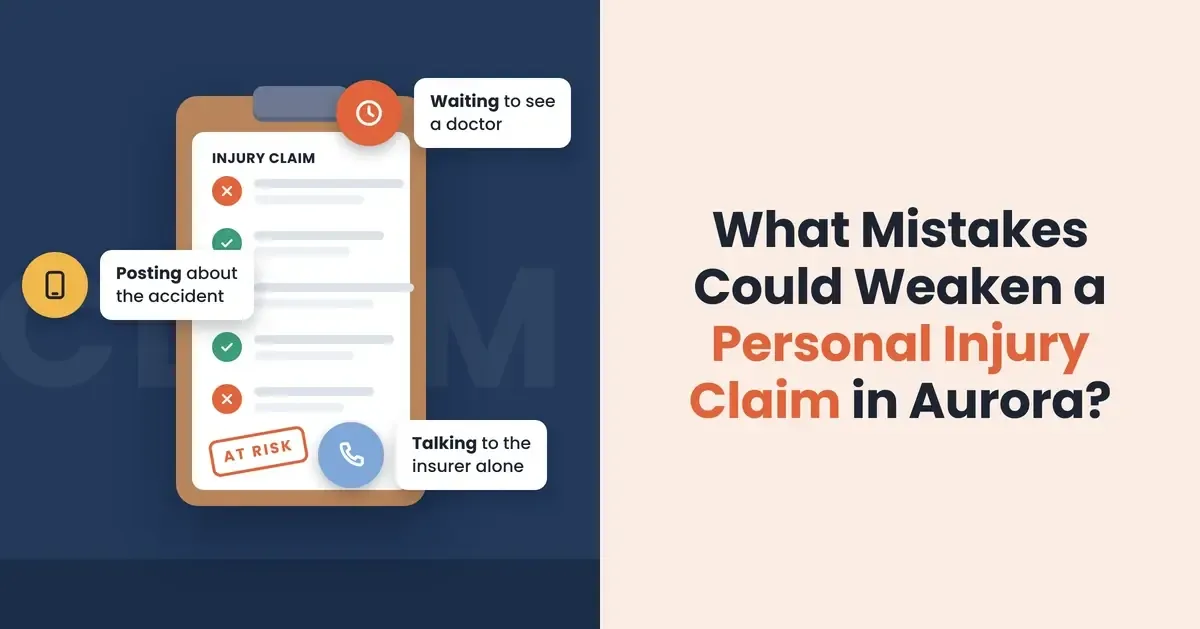
Here's the thing: a lot of injury victims quietly damage their own cases before they've even talked to a lawyer. Knowing which mistakes could weaken a personal injury claim in Aurora puts you in a far stronger position right from the start. Below are seven common errors worth avoiding.
Waiting Too Long to Seek Medical Care
Most people who contact Aurora personal injury lawyers after an accident share one regret: they waited days or even weeks before seeing a doctor. That delay hands the insurance company an easy argument. If you were truly hurt, they'll say, you'd have gone straight to the hospital. The gap in your medical timeline becomes something they use to chip away at the severity of your injuries.
Beyond the insurance angle, some injuries don't show up immediately. Traumatic brain injuries, internal bleeding, and soft tissue damage can take hours or days to surface after the initial impact. Getting a prompt evaluation creates a paper trail that ties your injuries directly to the accident; without it, the defense has room to argue something else caused your condition. Go to the emergency room or urgent care the same day - even if you feel mostly okay - and follow every treatment recommendation your doctor gives you afterward.
Giving a Recorded Statement to the Insurer
After an accident, an adjuster from the other party's insurance company will call. They'll sound polite. They'll sound concerned. And they'll ask if they can record the conversation. You aren't legally required to give a recorded statement to the other side's insurer, and in most situations, you shouldn't.
Adjusters are trained to phrase questions in ways that nudge you toward minimizing your injuries or accepting a share of the blame. Something as casual as "I'm doing better" or "I didn't see the car coming" can quietly gut your claim. Anything you say gets logged and can be used to drag your settlement offer down. Let your attorney handle all direct communication with the opposing insurer; that single step alone shields your case from several of the most damaging missteps.
Posting About the Accident on Social Media
Social media has torpedoed more personal injury claims than most people would ever guess. An innocent photo at a family barbecue or a quick comment about "feeling much better" can be used to suggest your injuries aren't as serious as your legal filings describe. Defense teams routinely comb through claimants' social media accounts; don't count on privacy settings saving you.
The safest move is to go dark entirely from the day of the accident until the case wraps up. Don't post photos, don't check in at locations, and don't let friends tag you in anything. If staying offline completely isn't realistic, at minimum avoid any mention of the accident, your health, or your case. Courts have allowed social media evidence in civil litigation, and judges tend to treat inconsistencies between your posts and your stated injuries as a credibility headache, not a minor technicality.
Missing the Statute of Limitations
Illinois gives personal injury claimants two years from the date of the accident to file a lawsuit in civil court. Miss that deadline and you forfeit the right to pursue compensation entirely; it doesn't matter how strong your case might have been. The clock starts running on the day of the injury in most situations.
There are narrow exceptions, such as discovery rules for injuries that weren't immediately apparent. But you shouldn't count on those exceptions to rescue you. Two years can feel like plenty of time, yet building a solid claim takes months. Gathering medical records, tracking down witnesses, reconstructing what happened, and negotiating with insurers all eat into that window. Starting early gives your legal team space to work carefully rather than scrambling to beat a filing deadline.
Accepting the First Settlement Offer
Insurance companies make early offers because early offers are almost always low. They know you're stressed, possibly out of work, and staring down a pile of medical bills. A quick check for a few thousand dollars can feel like genuine relief. But accepting a lowball offer before you understand the full reach of your damages is one of the biggest ways people undercut their own claims.
Once you sign a settlement release, you give up any right to seek further compensation, even if your injuries turn out to be far worse than you first realized. Future surgeries, ongoing physical therapy, lost earning capacity, long-term pain and suffering: none of that gets covered once you've already settled. Get a complete picture of your medical prognosis first. Talk to your doctor about what treatment might look like down the road, then let your attorney assess what the claim is genuinely worth before you agree to anything.
Failing to Document the Scene and Your Injuries
Evidence disappears fast. Skid marks fade, surveillance footage gets recorded over, and witnesses forget details or become impossible to track down. What you document in the hours and days after an accident often determines whether you end up with a strong claim or a disputed one.
At the scene, photograph everything within reach: vehicle damage, road conditions, traffic signs, your visible injuries, and the positions of the vehicles. Get names and contact info from every witness present. Once you're home, start a daily journal: your pain levels, what you can't do, how the injury is affecting your routine. Save every medical bill, prescription receipt, and any communication from your employer about missed work. The more thorough your personal records, the harder it is for the other side to claim your damages are inflated.
So don't treat documentation as optional; treat it as part of your case from day one.
Handling the Claim Without an Attorney
Personal injury law in Illinois isn't something most people can manage effectively on their own. And the truth is, insurance companies come prepared with experienced defense teams, years of claim data, and legal resources that far outstrip what an unrepresented claimant can bring to the table.
Studies on settlement outcomes consistently show that represented claimants recover higher amounts than those who go it alone, even after accounting for legal fees. An attorney knows how to value a claim properly, pull in the right expert testimony, and counter the tactics insurers use to shrink payouts. They can spot liable parties you might've missed and make sure every category of damage - medical costs, lost wages, pain and suffering, future care needs - gets factored into your demand. Most personal injury attorneys work on contingency, meaning you pay nothing unless you win, so cost isn't a real barrier to getting qualified help.
Conclusion
Knowing what mistakes could weaken a personal injury claim in Aurora is the first step toward protecting your right to fair compensation. The choices you make in the hours, days, and weeks after an accident carry real legal weight. Seek medical care right away, stay off social media, keep detailed records, and don't settle before you've got a clear picture of what your damages actually add up to. The right legal guidance makes a measurable difference in how your case unfolds.


