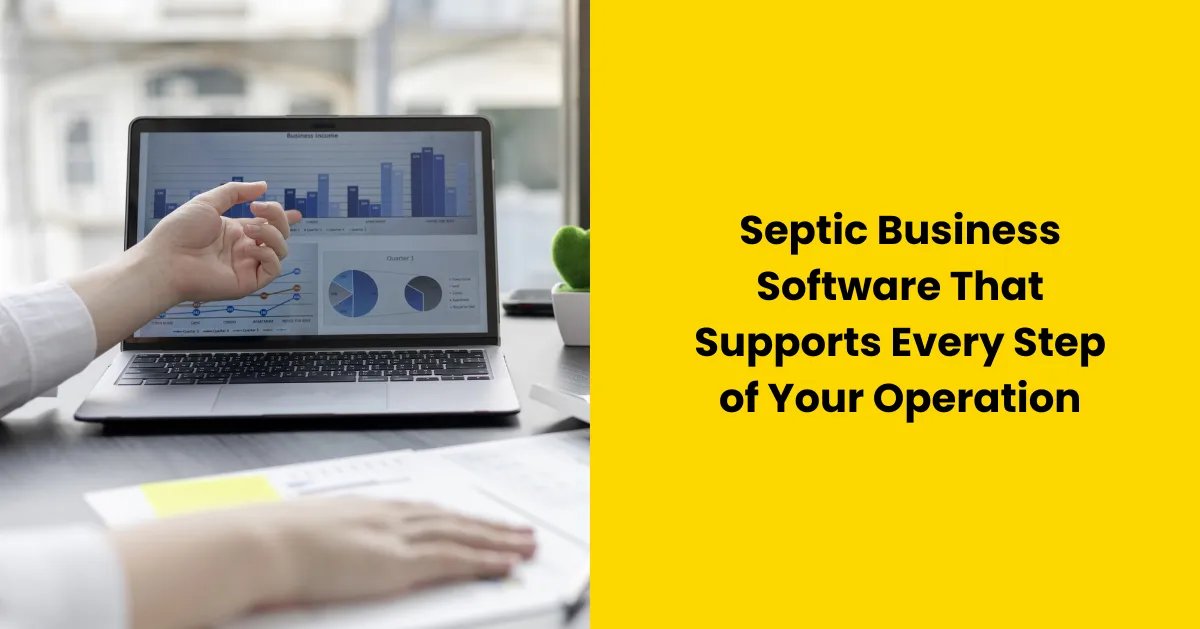
By leveraging technology in the form of septic business software, owners will know that their operations run smoothly from start to finish. Septic business software is a must-have ally that improves workflow and productivity. Keep reading to learn all about it.
The Role of Software in the Septic Business
A robust septic business software platform simplifies everyday tasks by automating repetitive processes. Whether it’s managing service schedules or tracking billing records, such software allows for more organized workflows. With tools specifically designed for the septic industry, businesses gain access to features that are tailored to their unique operational needs. These features may include automated reminders, payment processing, and client management systems.
The primary goal is to create an integrated environment where each function interacts seamlessly. Utilizing this platform can offer profound insights into operational efficiency. Septic business owners can make informed decisions that propel their companies forward. Service routes, client interaction history, and employee performance are all invaluable resources that can improve strategy. Investing in the right powerful septic business software platform to simplify customer management and support dozens of industries. It will save time and costs and reduce human error.
Key Features of Effective Septic Business Software
An effective septic business software platform must encompass various features that cater to the operational needs of the industry. Start with scheduling capabilities. A comprehensive calendar feature enables managers to assign jobs based on urgency and logistics while factoring in employee availability. Optimal resource allocation directly reflects on customer satisfaction.
Next up are the invoicing and billing features. A quality software should allow businesses to generate invoices quickly, track payments, and send reminders to clients about outstanding balances. This streamlines the cash flow process and improves customer relationships through transparent financial dealings. And don’t forget about mobile accessibility. Technicians out in the field benefit from having software available on mobile devices. This ability to update job status, track service history, and communicate with clients improves flexibility and responsiveness.
Benefits of Automating Septic Business Operations
Automation can transform tedious tasks into streamlined processes. By automating work orders, service reminders, and invoices, companies can focus on delivering excellent customer service. Another benefit concerns compliance. Thanks to automation, necessary reports are generated and submitted on time.
Businesses can expect increased productivity as team members will spend less time on administrative errands. Technicians can now allocate more time to servicing customers and addressing urgent cases. Automated reporting and data analysis allow organizations to identify trends and adapt accordingly, setting them up for long-term success.
Improving Customer Engagement with Technology
In a customer-driven business, maintain effective communication. A septic business software can improve customer engagement by enabling personalized interactions. By maintaining detailed records of each client's service history, businesses can tailor communication to meet specific needs or preferences. Automated notifications for upcoming service dates or maintenance suggestions reinforce the importance of regular upkeep.
The software can help managers respond immediately to customer inquiries, creating a seamless communication channel. Satisfied customers tend to refer others and grow the customer base organically. An integrated customer relationship management (CRM) feature further improves engagement efforts. By storing customer data, tracking interactions, and analyzing feedback, companies can refine their strategies to better meet user expectations.
Streamlining Operational Efficiency
Operational efficiency is at the heart of any successful septic business. Streamlining processes through a dedicated software platform allows for optimized performance across numerous operational facets. Effective route planning can reduce travel time between jobs. Software that factors in traffic patterns, road conditions, and distance guarantees that employees spend less time on the road and more time servicing clients.
Resource allocation is another element greatly improved through advanced software features. It becomes much easier to forecast staffing needs and allocate resources effectively. Predictive analytics can guide managers in decision-making. Integration with financial management tools enables a clearer view of operational finances, identifying trends that need addressing. This holistic approach to operational efficiency can result in substantial cost savings and improve customer satisfaction through reliable service delivery.
Assuring Compliance and Safety Standards
Compliance with state and federal regulations is non-negotiable in the septic industry. A solid software platform helps businesses maintain adherence to required laws and safety standards. This includes tracking and documenting all service and maintenance records as mandated by governing bodies. Features that automate compliance reports save time and reduce the risk of human error, protecting businesses from potential legal issues.
Being able to effortlessly access these records can build trust with customers and regulators. Transparency in compliance procedures can differentiate companies in an industry scrutinized for environmental impacts. Software can track employee safety training and certifications so that all team members are prepared for their roles. Technicians are knowledgeable about safety protocols that protect employees and customers. Employing a software platform that integrates compliance standards can safeguard businesses against potential fines and legal ramifications.
Integrating Payment Solutions for Seamless Transactions
An effective septic business software platform integrates payment solutions that streamline financial transactions. Traditional invoicing processes can be cumbersome, leading to delayed payments. Software that incorporates payment processing features offers numerous benefits. With options for online payments, clients can pay invoices instantly and conveniently. This feature improves cash flow and the customer experience. Flexible payment methods accommodate a broader range of customers, catering to their preferences and minimizing payment barriers.
Automated reminders about payment deadlines reduce instances of late payments and solidify revenue consistency. By utilizing invoicing software that dishes out accurate financial reports, businesses gain insights into revenue streams and save time spent on manual billing processes. Integrating a comprehensive payment solution empowers septic businesses to focus more on service delivery and customer satisfaction rather than backend financial management.
Customizable Reporting for Data-Driven Decisions
Reporting features are another hallmark of a top-tier septic business software platform. The importance of data cannot be ignored; informed decision-making hinges on the analysis of available information. Customizable reporting allows business owners to generate tailored reports that specifically address their individual goals. Managers can track employee performance metrics, which identify top performers and areas for improvement.
Financial reporting can highlight trends in revenue and expenditures, guiding financial planning and budget adjustments. Customer data analysis provides insights into service preferences and feedback. Having access to such precise metrics means businesses can pivot strategies quickly based on current market realities, not on outdated information. A software platform that provides robust data-driven decision-making tools, septic companies can position themselves for sustained growth and adaptability.
Improving Team Collaboration and Communication
Team collaboration is what maintains high operational standards in any business, including the septic industry. Implementing a software solution that promotes communication among team members can drastically improve workflow efficiency. Real-time communication tools within the software enable technicians and managers to stay connected no matter their location. Participants can share important updates, quickly discuss job-related issues, and ask for assistance without relying on slow email threads.
Notifications and alerts keep everyone informed about changes in schedules or customer requests so that the entire team moves in sync. This cohesive sense of teamwork strengthens accountability: everyone knows who is responsible for what. Improved collaboration decreases misunderstandings and creates a positive workplace environment. Better communication leads to improved job performance and customer satisfaction, forming a cycle of continuous improvement.
Future-Proofing Your Septic Business with Technology
As the septic industry continues to evolve, businesses must adopt technologies that future-proof their operations. Reliable septic business software is an investment in sustainability, aligning with industry trends and consumer expectations. Integrated smart devices can complement existing systems and provide even greater efficiency. Automation, artificial intelligence, and real-time data analysis will shape the future landscape and utilize a flexible software platform.
Companies that can adapt to tech advancements will outpace competitors who resist change. Stay attuned to emerging trends, and septic businesses can modify their strategies and service offerings. Future-proofing is a necessity that keeps operations scalable, reducing vulnerabilities against market fluctuations and evolving client preferences. Those businesses equipped with premium software solutions stand to gain a significant advantage.
Selecting the Right Software Solution for Your Needs
Choosing the appropriate septic business software necessitates careful consideration of specific needs and business size. Look into scheduling, billing, and reporting features. The user experience should not be underestimated; selecting an intuitive platform can reduce the learning curve for employees. Engaging with software vendors through demos will allow for a clearer understanding of how their solutions operate. Even consider customer support offerings so that reliable help is available when needed.
Investing in software with scalable features provides long-term benefits as your business grows. Including reviews from other septic businesses may offer insights into functionality and satisfaction. Businesses can make informed decisions based on comprehensive evaluations and take advantage of the best resources for success.