



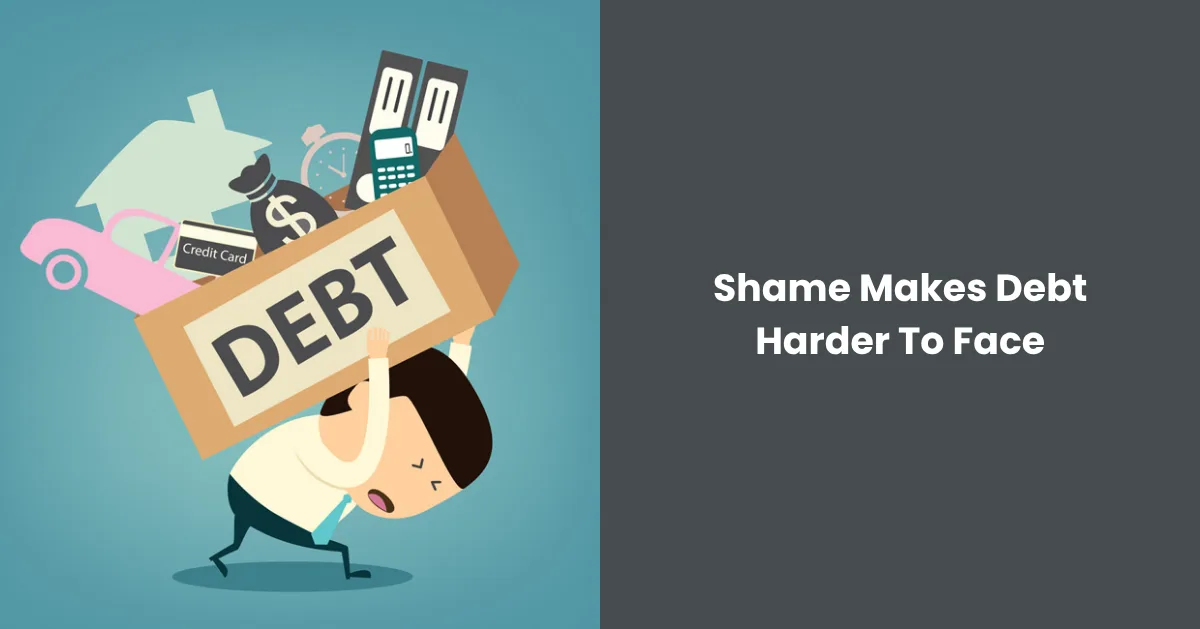
That is why debt can linger even when a person is smart, hardworking, and genuinely wants to fix it. Shame says, “This proves something awful about me.” Guilt tends to focus on behavior and can push people toward repair, while shame pushes attention onto the self and makes people want to hide. In practical terms, that means unopened bills, avoided bank logins, missed calls, and a constant promise to deal with it later. For some people, exploring options like business bebt relief becomes easier only after they stop treating debt as a character flaw.
When debt feels like danger
The strange thing about shame is that it can make harmless tasks feel physically difficult. Looking at a balance should be simple. Making a budget should be boring. Calling a creditor should be awkward, maybe, but manageable. Yet shame can make each of those steps feel loaded with risk. Your body gets the message before your mind does. Stress can trigger a fight, flight, or freeze response, which helps explain why people snap at loved ones, dodge calls, or do absolutely nothing even when they know inaction is making things worse. The body is reacting as if exposure itself is dangerous, not just uncomfortable. That stress response is described clearly by the Cleveland Clinic overview of stress symptoms.
This is one reason debt advice can sound frustratingly incomplete. “Just make a spreadsheet” is not bad advice, but it skips the fact that shame narrows attention. It makes long term thinking harder. It can make small tasks feel huge and huge tasks feel impossible. A person who can solve problems all day at work may still freeze at their kitchen table with a pile of bills in front of them. That does not mean they are irresponsible. It means they are flooded.
Why shame thrives in secrecy
Shame loves isolation. Debt is one of those struggles people often hide, even from partners, friends, or family. They may still show up for work, post normal photos, joke around at dinner, and keep the whole problem sealed off in a private mental room. The secrecy is not always about deception. Sometimes it is self protection. If shame is already telling you that debt makes you broken, then being seen feels risky.
But secrecy has a cost. It removes feedback, support, and perspective. Alone, the mind tends to repeat the harshest story possible. Every late payment becomes proof. Every setback becomes identity. Mental health experts often draw an important distinction here: guilt is connected to a bad action, while shame is connected to feeling like a bad person. That difference matters because people who see themselves as the problem are more likely to withdraw than repair. The University of Texas Counseling and Mental Health Center explanation of shame and guilt offers a useful breakdown of that pattern.
The hidden routine of avoidance
Most people think avoidance is dramatic. It usually is not. It is quiet and repetitive. It looks like saying, “I will check tomorrow.” It looks like paying the smallest bill first because it is emotionally easier, not because it is strategic. It looks like overworking to feel useful while ignoring the actual balance sheet. It looks like buying little treats after a stressful day because relief, even brief relief, feels necessary.
That is why shame can be expensive in ways that are easy to miss. It does not only hurt emotionally. It changes behavior. It delays decisions, increases disorganization, and can lead to penalties, extra interest, or fractured communication with the people who might help. In business settings, shame can spread even further. Owners may avoid reviewing cash flow, delay hard conversations with vendors, or keep pretending things are fine because admitting strain feels humiliating. The result is often a deeper hole created not just by debt itself, but by the effort to emotionally outrun it.
A better first step than “be disciplined”
People in debt are often told to be tougher on themselves. In reality, many are already brutal with themselves. More self attack rarely creates clarity. It usually creates more paralysis. A better first step is surprisingly modest: reduce the emotional charge enough to see the facts.
That might mean writing down every balance without trying to solve anything on the same day. It might mean asking a trusted person to sit with you while you open statements. It might mean replacing “I ruined everything” with a more accurate sentence like, “I am behind, and I need a plan.” The goal is not to pretend the debt is fine. The goal is to make it visible without turning visibility into self destruction.
From there, progress often comes from very plain actions. List what is owed. Separate urgent bills from flexible ones. Identify which accounts need a call this week. Put due dates somewhere visible. If panic rises, pause and come back, but come back on a scheduled time, not a vague someday. Small acts of contact with reality help weaken shame because they prove you can face the situation without collapsing.
Facing debt without handing it your identity
Debt can affect your choices, your sleep, your relationships, and your confidence. It can absolutely disrupt your life. But it is still a condition, not an identity. That distinction is not feel good fluff. It is practical. The moment debt stops being evidence of your worth and starts being a problem to manage, options become easier to see.
Shame says, “Hide until you become acceptable again.” Real financial recovery usually works the opposite way. You become more stable by stepping into the light before you feel ready, naming what is true, and taking one action that connects you to reality instead of away from it. That is often the hardest part. It is also the part that finally allows the math to become solvable.


