



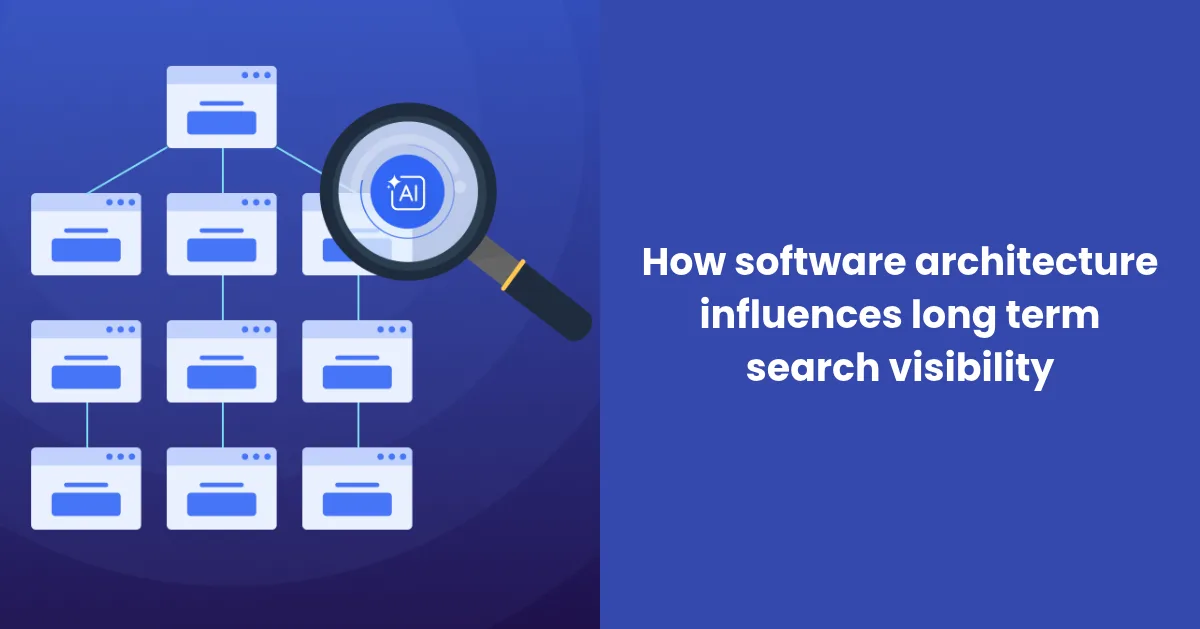
Building a digital platform with sleek interfaces and dependable features gives your brand an immediate head start. Clean visuals capture attention, but your underlying software structure dictates whether search engines can find, crawl, and evaluate your content over months and years.
Aligning software architecture with modern search performance standards transforms your technical stack into an organic growth engine. Sustainable visibility begins long before your first line of code goes live.
How Does Website Architecture Influence Search Engine Crawlability?
Search engine bots navigate your digital platform through structural pathways defined by your software setup. Dynamic URL routing, clean site maps, and logical server hierarchies guide crawlers straight to your highest-value pages. Missing logical pathways force bots to waste crawl budget on repetitive scripts or orphaned directories.
Technical decisions made during initial build cycles shape how your domain establishes authority in competitive search markets. Partnering with experienced specialists at Ren Hao SEO or similar ones helps your engineering team establish clean site hierarchies before technical debt accumulates. That early alignment keeps search crawlers moving smoothly across every section of your platform.
Server-side rendering and client-side rendering choices directly impact how search engines read your published content. Frameworks that rely heavily on single-page JavaScript execution often delay indexing because bots must wait for rendering resources. Selecting hybrid or server-rendered frameworks protects your content from indexing delays.
Why Do Page Speed and Server Response Times Drive Rankings?
Loading speeds shape how both human visitors and automated indexers experience your application. Slow database queries and unoptimized server configurations create bottlenecks that hurt user retention metrics. Search engines recognize these delays and push sluggish sites lower in search rankings.
Educational framework insights from Dakota County Technical College highlight that analyzing search query behaviors alongside technical performance measurements allows teams to clarify user intent and refine digital platforms for ongoing optimization. Technical teams who continuously monitor load metrics alongside user query data fix performance dips before rankings plummet. Data-driven maintenance keeps your load speeds fast and your search traffic stable.
Content delivery networks, efficient caching protocols, and lean code bases compress data transfer times across global networks. Reducing initial server response times gives your pages a competitive edge when algorithms evaluate performance metrics. High-speed delivery keeps your bounce rates low and engagement metrics strong.
What Makes Mobile Responsiveness and Clean Rendering Critical?
Mobile-first indexing means search engines judge your platform based on its smartphone presentation. Responsive layouts that adapt smoothly across varying viewport sizes prevent layout shifts and text overlap. Software frameworks built with flexible grid systems keep your content readable on every device.
Complex DOM trees and bloated scripts slow down mobile devices with modest processing power. Stripping away unnecessary dependencies simplifies page rendering for lightweight mobile browsers. Clear code execution prevents frozen screens and broken interaction points.
Rendering efficiency determines how quickly critical text elements appear on user screens. Prioritizing visible content assets over background scripts keeps initial paint times brief. Fast initial paint metrics reassure mobile users that your page is ready to serve their immediate needs.
How Do You Bridge Software Development and SEO Strategy?
Technical teams and marketing specialists frequently operate in isolated silos during project planning. Engineers focus on feature stability and codebase maintainability, while search strategists focus on keyword coverage and content reach. Unifying these goals early prevents costly retrofits after launch.
Joint architectural reviews allow teams to spot indexing hurdles while codebases remain malleable. Developers can construct clean URL structures, canonical tag logic, and schema templates directly into component libraries. Early integration turns search strategy into a foundational software requirement.
Regular communication channels keep engineering and marketing aligned as digital products evolve. Shared performance dashboards showcase how code updates influence search metrics in real time. Shared goals encourage both disciplines to build scalable solutions together.
- Establish shared metrics: Track server response times alongside search impressions to monitor performance parity.
- Automate schema validation: Integrate structured data testing into continuous integration pipelines to catch formatting errors early.
- Define canonical standards: Standardize page routing patterns across all staging environments to avoid duplicate content flags.
Why Should Technical Debt Be Managed for Organic Visibility?
Rapid feature development often leaves behind legacy code, redundant scripts, and outdated redirects. Accumulating technical debt slows down page processing speeds and confuses search engines and indexers. Cleaning up abandoned software components restores execution efficiency across your entire site.
A quantitative study published in PubMed Central demonstrated that evaluating digital platforms through web analytics and user experience metrics helps teams pinpoint technical friction points while maintaining platform stability. Addressing architectural flaws early protects user experience scores and preserves organic reach. Continuous refactoring prevents hidden code bugs from damaging your search position.
Structured database queries reduce execution overhead on dynamic search pages. Streamlining database calls speeds up server responses during high-traffic events. Efficient backend operations preserve platform stability while indexers crawl thousands of database-driven URLs.
How Do Scalable Digital Platforms Maintain Organic Growth?
Expanding your digital footprint requires software systems capable of supporting exponential page growth without degrading performance. Microservice architectures and headless content systems allow teams to publish massive volumes of content efficiently. Decoupling your frontend presentation layer from backend logic protects page load speeds as your content library expands.
Automated testing suites verify that new feature releases do not break existing metadata, canonical tags, or structured data schemas. Continuous integration workflows run automated audits before code hits production servers. Proactive testing prevents accidental indexation blocks and broken internal links.
Real-time monitoring tools track site health, crawl errors, and performance spikes 24 hours a day. Catching server timeouts or broken redirects immediately prevents search engine indexers from dropping affected pages. Consistent uptime and fast response rates signal platform reliability to search algorithms.
- Decouple frontend delivery: Separate content management tools from user interfaces to improve page rendering speeds.
- Implement continuous auditing: Run automated technical checks in deployment build stages to catch broken links.
- Monitor crawl budget: Analyze log files regularly to verify that search bots index high-value pages.
What Role Does Structured Data Play in Modern Architecture?
Structured data schemas act as a direct communication channel between your software application and search engine algorithms. Embedded JSON-LD scripts help search engines understand content context, entity relationships, and page intent instantly. Building schema generators into your core CMS templates guarantees consistent implementation across thousands of dynamic pages.
Rich snippets and interactive search features rely on accurate data structures built into page templates. Correctly structured metadata increases your visibility in search result pages, driving higher click-through rates. Clean code integration keeps structured data compliant with evolving search engine guidelines.
How Do Internal Linking Systems Strengthen Content Discoverability?
Internal linking plays a critical role in helping search engines understand relationships between different sections of your website. A well-organized linking structure connects related pages, distributes ranking signals, and helps visitors discover relevant information. When your software automatically generates contextual links, important content remains accessible even as your platform expands.
Building internal linking logic into your content management system reduces the risk of orphaned pages. Developers can establish automated relationships between product categories, educational resources, and supporting service pages. This structured approach improves navigation while helping search engines identify valuable content across your digital ecosystem.
Regular link audits also prevent outdated URLs and broken connections from weakening your site's technical foundation. Monitoring internal pathways ensures new content integrates smoothly into existing navigation structures. Consistent maintenance supports efficient crawling and creates a more intuitive experience for returning visitors.
Why Are URL Stability and Redirect Management Essential?
Frequent software updates often introduce changes to page addresses, routing patterns, and content locations. Without proper redirect management, these modifications can disrupt established search visibility and create frustrating experiences for visitors. Maintaining stable URLs wherever possible protects accumulated ranking signals and preserves access to previously indexed resources.
When structural changes become necessary, permanent redirects help guide search engines and users toward updated destinations. Developers should implement clear redirect rules that avoid unnecessary chains, circular paths, and irrelevant landing pages. Testing these changes before deployment reduces the risk of losing valuable organic traffic during platform migrations.
Version control and documented routing conventions make long-term maintenance more predictable. By keeping development teams informed about existing URL dependencies, your organization can introduce new features without accidentally disrupting important search pathways.
How Can Continuous Technical Monitoring Protect Search Performance?
Search visibility requires ongoing technical oversight rather than occasional optimization projects. Even well-designed platforms encounter performance fluctuations, indexing errors, and unexpected rendering issues as software dependencies evolve. Continuous monitoring helps your team identify emerging problems before they affect significant portions of your website.
Combining server log analysis with search performance dashboards provides a clearer picture of how crawlers interact with your platform. Engineers can investigate unusual response codes, identify frequently inaccessible pages, and prioritize fixes based on potential organic traffic impact. Automated alerts make it easier to respond when critical technical metrics move beyond acceptable thresholds.
Long-term monitoring also improves collaboration between development and marketing departments. Regular technical reviews connect infrastructure decisions with measurable search outcomes, allowing both teams to refine priorities. This coordinated approach helps your digital platform maintain reliable performance while adapting to changing search engine requirements.
Long-term search visibility depends on more than compelling content and attractive website design. A well-structured software architecture supports efficient crawling, faster loading times, and seamless user experiences. By integrating technical SEO into development workflows, your organization can prevent performance issues and establish a foundation for sustainable organic growth.
Continuous monitoring, proactive maintenance, and close collaboration between developers and SEO specialists keep your platform competitive as search technologies evolve. Investing in scalable infrastructure today helps protect your digital visibility, strengthen user engagement, and support consistent business growth for years to come.