



The Rise of Smart Packaging
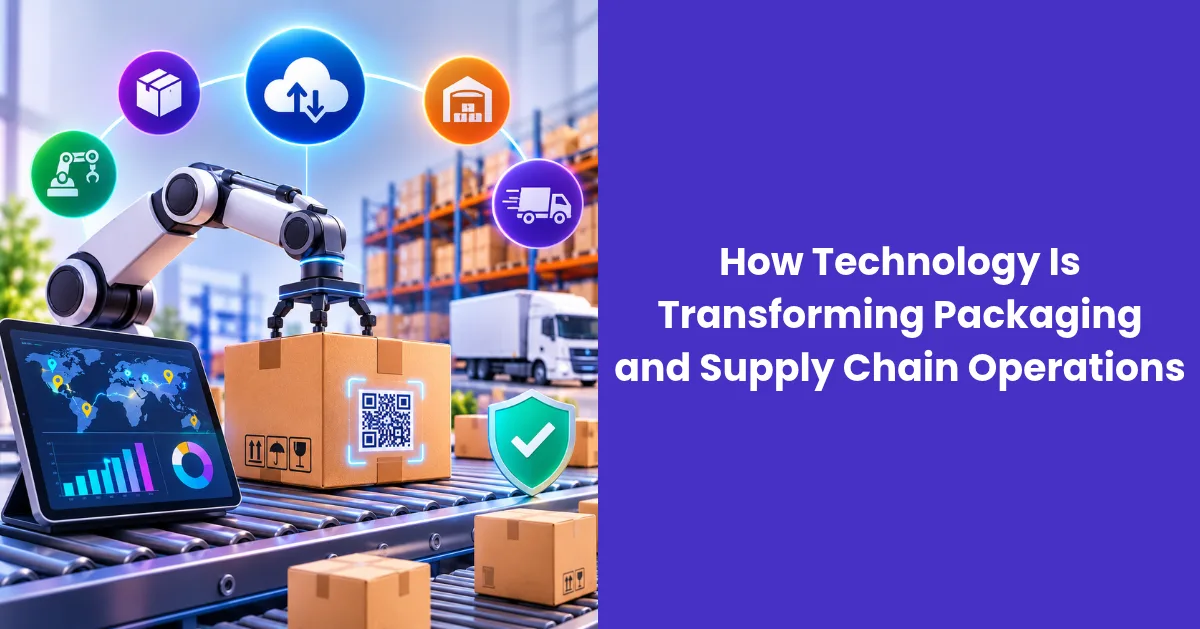
Packaging has evolved far beyond simply protecting products during transit. Smart packaging now includes embedded sensors, QR codes, and RFID tags that provide valuable data throughout a product's journey. These technologies allow companies to track temperature-sensitive items like pharmaceuticals and fresh food, ensuring they remain within safe parameters.
Consumers benefit too. Scanning a QR code on packaging can reveal a product's origin, authenticity, and even sustainability credentials. This transparency builds trust and helps combat counterfeiting, which costs the global economy hundreds of billions of dollars annually.
Automation Revolutionizes Warehousing
Warehouses have transformed into high-tech operations centers. Robotic systems now pick, pack, and sort items with remarkable speed and accuracy. These automated solutions reduce human error, lower labor costs, and allow facilities to operate 24/7 without fatigue.
Amazon's use of robotics in its fulfillment centers serves as a prime example. Their systems can process thousands of orders per hour, dramatically reducing delivery times. Smaller businesses are also adopting scaled-down versions of this technology, making automation accessible to companies of all sizes.
Sustainable Materials Through Innovation
Environmental concerns have pushed the packaging industry toward sustainable alternatives. Technology has enabled the development of biodegradable materials that perform as well as traditional plastics. Companies are investing in research to create packaging from mushroom roots, seaweed, and other renewable resources.
A quality cardboard packaging solution has become more sophisticated through technological advances. Modern cardboard can be engineered for specific strength requirements, moisture resistance, and protective qualities while remaining fully recyclable. Digital printing technology also allows for customization without the environmental impact of traditional printing methods.
Data Analytics Optimizes Supply Chains
Big data and artificial intelligence have given supply chain managers unprecedented visibility into their operations. Predictive analytics can forecast demand patterns, helping companies adjust inventory levels and avoid both stockouts and overstock situations.
Real-time tracking provides exact locations of shipments, allowing businesses to communicate accurate delivery windows to customers. This transparency reduces customer service inquiries and improves satisfaction. When delays occur, systems can automatically reroute shipments or alert relevant parties.
Blockchain Enhances Transparency
Blockchain technology creates an immutable record of every transaction and movement within a supply chain. This capability is particularly valuable for industries where provenance matters, such as luxury goods, organic foods, and pharmaceuticals.
Each participant in the supply chain can access verified information about a product's history without relying on a central authority. This decentralization reduces fraud and builds accountability across the entire network.
3D Printing Changes Production
Additive manufacturing, commonly known as 3D printing, is reshaping how companies think about inventory and production. Instead of warehousing thousands of spare parts, businesses can now store digital files and print components on demand. This approach dramatically reduces storage costs and eliminates obsolescence concerns.
For packaging, 3D printing enables rapid prototyping. Companies can test multiple designs quickly and cost-effectively before committing to large production runs. Custom packaging for special orders becomes economically viable, even for small quantities.
The Human Element Remains Essential
Despite all this automation, human expertise remains critical. Technology works best when it augments human decision-making rather than replacing it entirely. Supply chain professionals use these tools to make better-informed choices, respond to unexpected challenges, and build stronger relationships with partners and customers.
Training workers to operate and maintain new technologies creates better jobs and career opportunities. The most successful companies view technology as a way to empower their workforce, not eliminate it.
Looking Forward
Technology will continue reshaping packaging and supply chain operations at an accelerating pace. Companies that embrace these changes while maintaining focus on customer needs and sustainability will thrive in an increasingly competitive marketplace.