



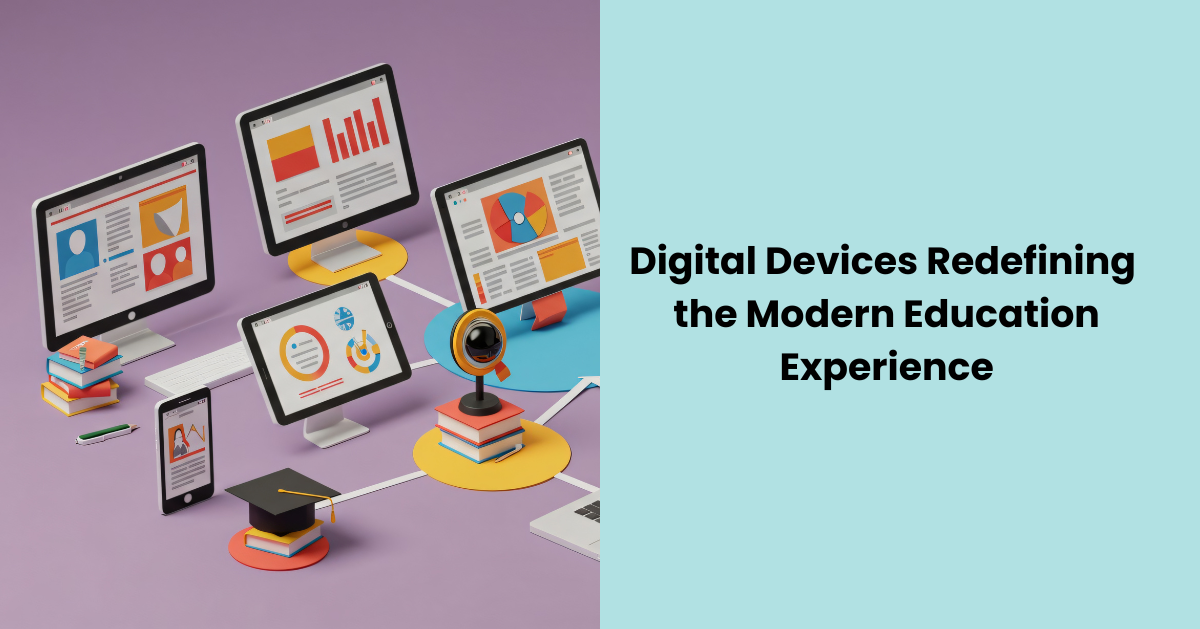
These devices enable personalized learning experiences and support varied teaching styles, catering to the diverse needs of students. With the incorporation of digital tools, educators can better prepare students for a technology-driven world. By seamlessly integrating technology into learning environments, educators can promote knowledge retention and a love of learning.
Integrating Digital Devices Within Curricula
Schools are now incorporating technology across various subjects, providing students with the skills they will need in the workplace. Science classes utilize digital tools to simulate experiments so that students can explore scientific concepts safely and efficiently.
Beyond individual subject integration, a holistic approach to STEM education, especially through the use of technology, is often recognized through STEM school certification, which ensures a comprehensive and rigorous curriculum spanning science, technology, engineering and mathematics. This designation helps schools validate their commitment to preparing students for future challenges and careers in these critical fields.
Language courses integrate apps for practicing vocabulary, grammar, and pronunciation. Institutions like PASCO offer innovative resources, enabling educators to improve their science curricula through interactive experiments and data analysis. Teachers can create a dynamic, engaging learning environment that motivates students to explore and learn actively. This integration prepares students for the digital age and makes learning more appealing and relevant.
Improving Learning Through Interactive Technologies
The introduction of interactive smartboards and digital platforms enables dynamic learning opportunities. Students can engage more fully when lessons incorporate multimedia elements, encouraging collaboration and participation in the learning process. Interactive quizzes, live polls, and virtual simulations allow students to apply concepts in real-time for better understanding.
Such approaches move beyond rote memorization and encourage critical thinking and problem-solving, necessary skills for modern learners. These technologies cater to diverse learning styles, allowing visual, auditory, and kinesthetic learners to succeed. By harnessing the potential of interactive tools, educational institutions can elevate the learning experience.
Teacher Development Through Technology
Digital devices benefit students and support teacher growth and professional development. Online training programs, webinars, and digital certification courses give educators opportunities to expand their knowledge and stay updated with modern teaching practices. For aspiring educators, online pathways can also support progress toward professional credentials, such as a Texas teaching certificate, while offering flexible coursework and preparation for entering the classroom.
Educators use digital platforms to analyze student performance data, helping them refine teaching methods and deliver more targeted instruction. Access to online teaching communities allows for collaboration, mentorship, and shared resources that can improve instructional quality.
As educators grow more confident in using digital tools, they can create more engaging, student-centered environments that encourage curiosity and critical thinking. Technology is no longer an optional component in teacher development: it is necessary for empowering educators to meet the needs of modern learners.
Digital Literacy as a Core Skill for Students
Aside from basic computer usage, digital literacy involves the ability to evaluate online content, practice responsible digital citizenship, and use technology for creativity and problem-solving. Students learn how to research effectively, distinguish credible sources from unreliable ones, and engage in safe online behavior.
Schools recognize the importance of teaching students how to navigate the online world responsibly: understand online privacy, cyberbullying prevention, and appropriate communication etiquette. Students gain confidence in their ability to participate in digital spaces, collaborate virtually, and create digital content with purpose. These skills prepare learners for future careers where technology proficiency is a must-have requirement.
E-Learning Beyond Classroom Walls
Digital devices offer flexible learning opportunities that accommodate various lifestyles and needs. With e-learning platforms, students can access lessons, assignments, and resources anytime and anywhere, encouraging continuous learning outside school hours. This flexibility can help students who require additional time to review materials or those engaged in extracurricular or part-time commitments.
Online courses and virtual learning environments provide students with access to specialized subjects that may not be available locally. Learners can join international classes, attend virtual lectures by experts, and participate in online competitions that improve their academic experience. The ability to learn remotely guarantees academic continuity during disruptions, making education more resilient and adaptable to change.
Personalized Education Through Adaptive Learning
Using algorithms and data analytics, adaptive systems offer tailored educational content based on individual student performance and preferences. Each student can learn at their own pace and level of understanding. This personalized approach boosts engagement and leads to improved outcomes, as students experience a curriculum that resonates with their unique strengths and challenges.
Educators can track progress accurately, making informed decisions that further support student development. Personalization is no longer just an educational trend: it has become a necessity for fostering a more effective learning environment.
Collaboration and Communication in Digital Contexts
Digital devices promote collaboration among students through various online platforms that support group projects and discussions. Tools like Google Classroom and Microsoft Teams promote seamless communication between students and teachers for instant feedback and support.
Students can collaborate on assignments in real-time and create a sense of community and teamwork. As students work together to solve problems and share ideas, they develop social skills necessary for future workplaces. Virtual classrooms allow for varied class structures, accommodating guest speakers and experts from around the globe. This digital connectivity broadens students' perspectives and understanding of global issues.
The Role of Gamification in Education
In education, gamification is a methodology that incorporates game elements into non-game contexts. By using rewards, challenges, and competitive elements, educators can increase student motivation and engagement.
Platforms that implement gamification show improved participation levels, as students become more invested in their learning processes. These interactive experiences create an enjoyable atmosphere where students feel safe to explore and experiment with new ideas.
Students who engage with gamified learning platforms demonstrate higher retention rates and improved academic performance. Gamification represents a sophisticated tool that educators can leverage to harness the power of fun in learning.
Accessibility and Inclusivity Through Technology
Digital devices make education accessible to all students, including those with disabilities. Assistive technologies such as screen readers and voice recognition software empower students with challenges to participate fully in the learning experience. These tools bridge the gap in understanding and provide equitable opportunities for success.
Technology improves inclusivity by encouraging diverse classroom environments where all viewpoints are represented and valued. This inclusivity enables a richer educational experience for everyone. Educational institutions are adopting these technologies so that no student is left behind in the digital age.
Parental Engagement Through Digital Platforms
Online communication platforms allow parents to track student performance, access reports, and receive regular updates about school events, assignments, and academic progress. Parents can take an active role in their child's education, provide timely support, and celebrate achievements.
As students travel between home, school, and extracurricular activities, some parents also rely on digital safety tools that offer real-time location tracking to stay aware of their child's whereabouts during daily routines
Virtual parent-teacher conferences have removed scheduling conflicts or travel limitations, making communication more convenient and meaningful. Parents can access digital resources that guide them in supporting learning at home, such as instructional videos, educational apps, and online tutoring portals.
Increased parental engagement contributes to improved student motivation, accountability, and academic success. By bridging the gap between home and school, digital platforms create a collaborative learning community where parents, educators, and students work together toward shared goals.
Cybersecurity and Safe Use of Digital Devices in Schools
Protecting student data, securing networks, and promoting safe online practices can maintain a trustworthy digital learning environment. Schools are implementing robust cybersecurity policies that include secure login systems, regular password updates, and the use of encrypted platforms for storing sensitive information.
Educators teach students to use digital devices responsibly by raising awareness about phishing, malware, and identity theft. Digital citizenship programs are integrated into curricula to promote ethical behavior, respect for online privacy, and responsible social media use. Educational institutions help students develop lifelong habits that protect them in both academic and personal digital environments. Technology will guarantee better learning without compromising safety.
Environmental Impact of Digital Learning
Digital devices are contributing to more eco-friendly educational practices by reducing the reliance on traditional paper-based resources. E-textbooks, digital assignments, and online assessments decrease paper consumption, helping schools adopt sustainable practices. Virtual classrooms reduce the need for printed materials, physical textbooks, and transportation-related emissions associated with commuting.
Schools that integrate digital platforms can streamline administrative tasks, minimizing waste from manual record-keeping and excessive paperwork. Keep in mind that environmental considerations include responsible electronic waste management and energy use. Schools encourage proper disposal of old devices, recycling electronic components, and promoting energy-efficient technologies.
Educating students about sustainable digital usage promotes environmental awareness and responsibility. Digital learning supports both educational advancement and environmental stewardship, empowering the next generation to value sustainability.
Future Trends of Digital Devices in Education
The future of education will continue to be influenced by advancements in technology. Innovations such as virtual reality (VR) and artificial intelligence (AI) reshape learning experiences. VR can transport students to historical events or foreign lands, resulting in immersive and memorable lessons.
AI can provide immediate feedback and analysis tailored to individual learning paths. As these technologies advance, they will bring more personalized, engaging, and relevant learning opportunities for students. Institutions that embrace these trends will be at the forefront of educational excellence.
Digital devices redefine modern education: they improve engagement, enable personalized learning, and promote collaborations, all while promoting inclusivity. As technology continues to advance, the role of digital devices in education will only become more pronounced, creating endless possibilities for academic and personal growth.


