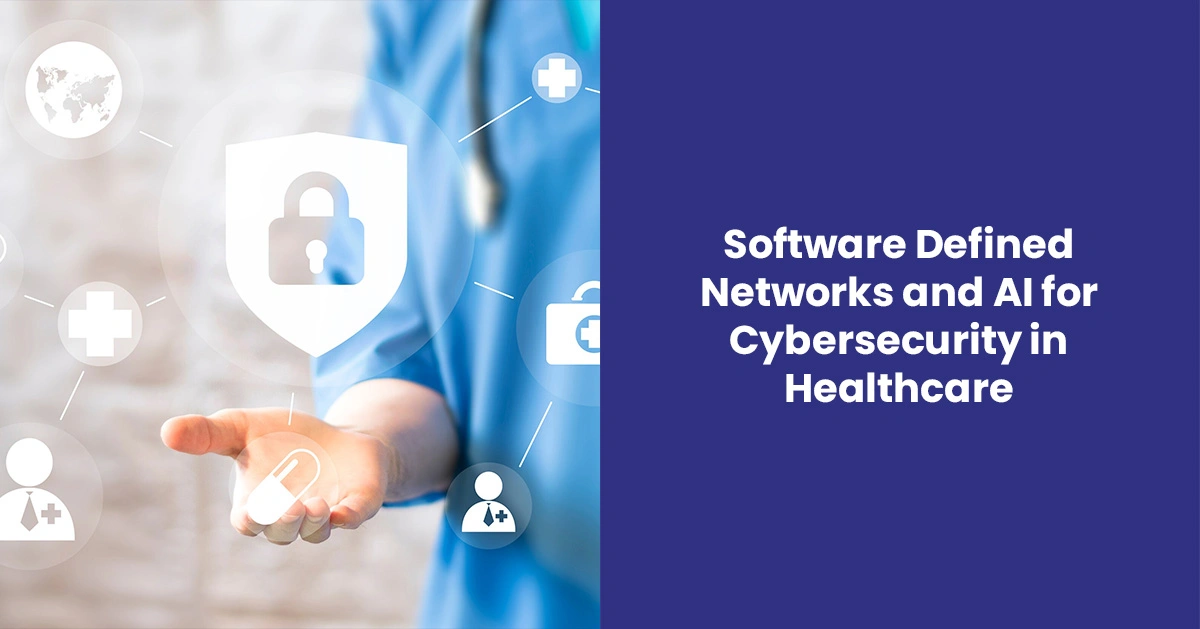
This article explores how SDNs and AI are revolutionizing cybersecurity in healthcare, securing sensitive data, and ensuring uninterrupted delivery of care, while also supporting critical services such as revenue cycle management services and credentialing services.
What Are Software‑Defined Networks (SDNs)?
Software-Defined Networking is a modern approach to managing network infrastructure. It separates the control plane (which decides where data is sent) from the data plane (which forwards the data). This abstraction allows administrators to control and automate network functions via software rather than relying solely on physical hardware.
In healthcare, this flexibility is a game-changer. Medical facilities can dynamically adjust network rules based on changing requirements, patient loads, or new compliance standards. It allows IT teams to create secure, isolated zones for different departments—such as billing, radiology, and clinical operations—minimizing lateral movement in the event of a breach.
The Growing Threat Landscape in Healthcare
According to IBM’s Cost of a Data Breach Report 2024, the average cost of a healthcare breach reached a record $11 million—more than any other industry. Cybercriminals target medical institutions for:
- Protected Health Information (PHI)
- Financial and insurance records
- Prescription and treatment histories
- Access to connected medical devices (IoMT)
With such high stakes, healthcare providers must proactively adopt tools that can detect, mitigate, and prevent cyberattacks in real time.
AI: The New Guardian of Healthcare Cybersecurity
Artificial Intelligence is playing an increasingly vital role in healthcare cybersecurity by offering predictive, autonomous, and adaptive security solutions. Here’s how:
1. Anomaly Detection in Real-Time
AI models trained on normal network behavior can immediately detect deviations—such as unauthorized access, unusual file transfers, or abnormal login attempts. This is particularly useful in detecting ransomware attacks early, before they can encrypt files or demand a ransom.
2. Automated Incident Response
AI can trigger automated workflows to quarantine infected devices, block malicious IPs, or alert security teams. In environments with limited IT staff (a common challenge in small practices), this rapid response is invaluable.
3. Threat Intelligence and Pattern Recognition
By ingesting massive amounts of threat data across the healthcare industry, AI systems can identify emerging patterns. For instance, it can recognize when a phishing campaign targeting revenue cycle departments is spreading across different hospitals.
4. Protecting Credentialing Systems
Credentialing platforms, which store sensitive provider data, are a prime target for identity theft and fraud. AI can ensure only verified users access such systems, using biometric logins or behavioral analytics for added security.
How SDNs and AI Work Together
When integrated, SDNs and AI create a dynamic, intelligent security framework:
- SDNs offer visibility: With centralized control, administrators can view the entire network topology and detect potential bottlenecks or unusual data flows.
- AI delivers intelligence: It continuously monitors traffic, learns from past threats, and makes real-time decisions to mitigate risks.
- Unified Policy Enforcement: AI-driven insights can be used by SDNs to implement automated rules. For example, if a medical billing system starts sending data to an unknown location, SDN can automatically shut down the route.
- Secure Remote Access: Telemedicine and remote billing staff need secure access. SDNs can create segmented VPN tunnels, while AI ensures users are behaving as expected.
Together, they make cybersecurity in healthcare proactive rather than reactive.
Securing Revenue Cycle Management Services
Healthcare organizations rely heavily on revenue cycle management services to handle everything from insurance verification and claims submission to patient billing and collections. These workflows involve sensitive data exchanges between providers, payers, and clearinghouses.
Here’s how SDNs and AI enhance security in this area:
- Data Segmentation: SDNs isolate RCM systems from general hospital traffic, reducing exposure if another department is compromised.
- AI Monitoring: AI identifies suspicious billing patterns that could indicate fraud or unauthorized access.
- Secure APIs: Modern RCM platforms use APIs to connect with EHRs and payment gateways. AI scrutinizes API calls for anomalies, while SDNs ensure only authorized systems can communicate.
For vendors like CureMD, integrating secure SDN architecture and AI monitoring into their revenue cycle management services ensures that providers not only get paid faster—but also stay protected from data breaches.
Safeguarding Credentialing Services
Credentialing involves validating a healthcare provider’s qualifications, work history, malpractice claims, and more. Given its regulatory importance, a breach in these systems could result in compliance violations or even loss of licensure.
SDNs can help by:
- Enabling role-based access control, so only credentialing staff can view or edit provider records.
- Creating audit trails to track who accessed what and when.
AI supports this by:
- Detecting identity spoofing attempts
- Monitoring login patterns to flag compromised accounts
- Automating compliance audits for regulatory readiness
Protecting credentialing services is not just a security measure—it’s a reputational imperative.
Benefits Beyond Security
While SDNs and AI are often adopted for cybersecurity, they offer broader operational advantages in healthcare settings:
- Improved Uptime: AI can predict hardware failures or traffic overloads, allowing preemptive fixes.
- Faster Onboarding: New devices or clinics can be integrated quickly without compromising security.
- Policy Consistency: Whether you’re a small clinic or a nationwide network, policies can be uniformly deployed and managed
- Cost Savings: By reducing downtime, preventing breaches, and automating tasks, hospitals can lower their IT overhead.
Future Trends: Zero Trust Architecture
One emerging trend is Zero Trust—a security model that assumes no user or system is trustworthy by default. SDNs and AI are central to Zero Trust in healthcare, offering:
- Microsegmentation
- Real-time risk scoring
- Continuous authentication
Expect to see more hospitals embracing this model as ransomware and nation-state threats continue to escalate.
Challenges and Considerations
While promising, adopting SDNs and AI does require upfront planning:
- Integration with Legacy Systems: Many hospitals still run older systems that may not easily integrate.
- Data Quality for AI Training: Poor data hygiene can lead to false positives.
- Skill Gaps: Staff may need training in AI and SDN technologies.
- Regulatory Oversight: AI-driven decisions must still comply with HIPAA and other regulations.
Still, the long-term benefits far outweigh the short-term barriers.
Conclusion
As healthcare moves deeper into the digital realm, cybersecurity must evolve just as rapidly. Software-Defined Networks and Artificial Intelligence are not optional luxuries—they’re essential components of modern healthcare infrastructure.